Do Happily Married Husbands Cheat?
A Bio-Relational Analysis of Marital Fidelity, Pair Bonding, and Infidelity Risk
Estimated reading time: 22 minutes | July 6, 2026
Evidence Note: This article integrates peer reviewed findings from developmental neuroscience, neuroendocrinology, reproductive immunology, virology, stress physiology, and public health. Every claim is tied to a cited primary source, and every source is listed in full with its digital object identifier at the end of the article. The Bio-Relational Science framework presented here is an original educational synthesis that translates this body of research into language the general reader can act on.
Abstract
Public discussion of infidelity assumes that a happy marriage is a faithful marriage, and that a man who cheats must be a man who was unhappy. The research does not support that assumption. Marital satisfaction, sexual satisfaction, attachment organization, and pair bond depth are separate systems that can move independently of one another, and only some of them govern exclusivity. Two longitudinal studies of newlywed marriages found that attachment anxiety predicted marital infidelity after controlling for marital satisfaction, sexual frequency, and personality (Russell et al., 2013). A national random sample found that the strongest correlates of extramarital sex included income and work status, two opportunity variables that have nothing to do with how a marriage feels (Atkins et al., 2001). A prospective study following 933 people over twenty months found that extradyadic sexual involvement was predicted by low dedication and by the absence of plans to marry, and was not predicted by sexual frequency or sexual dissatisfaction (Maddox Shaw et al., 2013). This article uses Bio-Relational Science to explain those findings through the biology of male pair bonding. Male commitment carries an endocrine signature, with lower testosterone in pair bonded and fathering men (Gray et al., 2004; Gettler et al., 2011; Grebe et al., 2019), and higher testosterone associated with unfaithful behavior (Klimas et al., 2019). Oxytocin in pair bonded men increases physical distance from an attractive stranger and increases reward response to the partner’s face, effects absent in single men (Scheele et al., 2012, 2013). The same peptide amplifies rather than erases sex differences in mate choice (Xu et al., 2020). A marriage can therefore be pleasant, stable, sexually active, and socially successful while the husband’s bonding system was never fully anchored to one woman. Happiness is not the variable that protects a marriage. Bond depth is.
Keywords: infidelity, marital fidelity, male pair bonding, testosterone, oxytocin, vasopressin, attachment anxiety, opportunity, bio-relational science, women’s wellness
Introduction
The question of whether happily married husbands cheat is usually answered with a reassurance or an accusation. The reassurance says that a man who is treated well and who says he is content has no reason to look elsewhere. The accusation says that any man who cheated must have been starved of something at home. Both answers share the same hidden premise, which is that fidelity is an output of marital happiness.
That premise is wrong, and it has been wrong in the data for more than twenty years.
The confusion comes from treating the word happy as though it described a single condition. In ordinary speech a marriage is called happy when it is stable, affectionate, financially workable, sexually active, and socially intact. Those are real goods. None of them is the same thing as exclusivity. A household can run well on cooperation, habit, obligation, shared children, and genuine affection without the husband’s bonding system ever having reorganized itself around one woman in the way that makes another woman uninteresting.
Bio-Relational Science treats that reorganization as a physical event with a measurable signature, not as a private promise. When a man’s endocrine and reward systems shift toward a single partner, his behavior toward alternatives changes in ways that can be observed in a laboratory. When that shift is incomplete, the marriage can still work, because a marriage is a social arrangement and not only a bond. The husband stays. He may stay gladly. What he does not have is a body that has stopped registering the appeal of novelty.
This article sets out what actually predicts male infidelity, what does not, and why the difference matters more for a woman’s decision-making than any assurance about how content her husband appears (Turner, 2026).
Conceptual Framework
Four constructs organize the analysis.
Marital satisfaction is a subjective appraisal of how the relationship is going. It is measured by self-report and it fluctuates with circumstances. It is the variable people mean when they say a marriage is happy, and it is the variable most often assumed to govern fidelity.
Pair bond depth is the degree to which a man’s attachment, reward, and endocrine systems have reorganized around one partner. It is not a feeling and it is not a promise. It shows up as lower testosterone in committed and fathering men (Gray et al., 2004; Gettler et al., 2011), as altered reward response to the partner’s face (Scheele et al., 2013), and as behavioral avoidance of attractive alternatives (Scheele et al., 2012).
Attachment organization is the pattern by which a person seeks or avoids closeness under stress. It develops before the marriage exists and it operates independently of how satisfying the marriage currently is, which is why it predicts infidelity even when satisfaction is held constant (Russell et al., 2013).
Opportunity structure is the set of external conditions that make extradyadic contact possible: income, autonomy, travel, privacy, workplace access, secrecy, and low immediate cost. Opportunity does not create desire. It converts a latent capacity into an act (Atkins et al., 2001).
The claim of this article is that fidelity is governed by the second, third, and fourth of these, and that the first is the one women are taught to monitor.
Discussion
What the infidelity research actually found
The most useful study on this question was designed to test whether findings from dating couples transfer to marriage. Russell, Baker, and McNulty (2013) followed 207 newlywed marriages across two longitudinal studies. Attachment anxiety, in either spouse, predicted the perpetration of marital infidelity. The critical detail is the control set. Those effects held after controlling for marital satisfaction, sexual frequency, and personality, and they did not differ between husbands and wives. In other words, a spouse’s attachment anxiety predicted cheating in marriages that were satisfying and sexually active.
Atkins, Baucom, and Jacobson (2001) analyzed extramarital sex in a national random sample drawn from the General Social Surveys. Among the variables that significantly affected the likelihood of infidelity were the respondent’s income and work status. Those are opportunity variables. They describe access, autonomy, and time away, not the emotional temperature of the home.
Maddox Shaw and colleagues (2013) followed a nationally representative sample of 933 people in opposite sex relationships over twenty months and prospectively tested what predicted extradyadic sexual involvement. It was predicted by lower dedication, by the absence of plans to marry, by negative communication, and by aggression. It was not predicted by sexual frequency, by sexual dissatisfaction, or by cohabitation status.
Whisman, Gordon, and Chatav (2007) predicted sexual infidelity in a population-based sample of married individuals and found that the risk factors were distributed across demographic and relationship variables rather than concentrated in marital unhappiness. Shackelford, Besser, and Goetz (2008) examined personality, marital satisfaction, and the probability of marital infidelity together and found that personality carried predictive weight alongside satisfaction rather than being subordinate to it. Isma and Turnip (2019) found the same structure in attitudes toward infidelity, where personality traits and marital satisfaction each contributed to a couple’s stance on the behavior.
Read those findings together and the popular model collapses. The variables that predicted infidelity were attachment organization, dedication, and opportunity. The variables people watch, meaning how satisfied the marriage feels and how much sex it contains, either did not predict it or predicted it far more weakly than the story requires.
Men who cheat frequently report loving their partner
Selterman, Garcia, and Tsapelas (2019) asked 495 people who had been unfaithful why they did it and identified motivations that are empirically distinct from dissatisfaction. Alongside dissatisfaction and neglect, the reported reasons included wanting a greater variety of sexual partners, wanting to enhance one’s popularity, low commitment, and situational factors such as being drunk and not thinking clearly.
Sexual variety, esteem, and situation are not complaints about a wife. They are appetites and accidents. A man reporting them is not describing a marriage that failed him. He is describing a system that never stopped operating on its own account.
Mark, Janssen, and Milhausen (2011) documented that the demographic, interpersonal, and personality related predictors of extradyadic sex differ between men and women, which means a single explanation applied to both spouses will misdescribe at least one of them.
Fincham and May (2017) reach a similar conclusion in their review of infidelity in romantic relationships, and Previti and Amato (2004) found that infidelity functions as both a cause and a consequence of poor marital quality, which means the dissatisfaction a woman later discovers may have followed the betrayal rather than caused it. The sequence people assume is often reversed.
Male commitment has an endocrine signature
Bio-Relational Science holds that a real bond changes the body. In men, the clearest marker is testosterone.
Gray et al. (2004) established that pair bonded men carry lower testosterone than unpaired men. Gettler et al. (2011) followed men longitudinally in the Philippines and demonstrated that fatherhood decreases testosterone, establishing direction rather than correlation. Gettler et al. (2013) then linked testosterone declines during the transition to marriage and fatherhood to men’s sexual behavior. Grebe et al. (2019) synthesized the literature on pair bonding, fatherhood, and testosterone in a meta-analytic review.
This is the signature of a mating system standing down. Testosterone supports mating effort, and mating effort is what a bonded man is supposed to have less of.
Crespi (2016) explains why the effect is structural rather than incidental: testosterone and oxytocin exert opposing influences on human social cognition. The affiliative state and the mating effort state pull against each other, which is why a man cannot simply add exclusivity on top of an unchanged endocrine profile.
Higher testosterone tracks unfaithfulness
Klimas et al. (2019) measured testosterone in men and found that higher levels were associated with unfaithful behavior. This is the other half of the same mechanism. If the shift into pair bonding lowers testosterone, then men in whom that shift is weak or absent carry the profile associated with looking outward.
This is the point at which the popular framing becomes actively misleading. A woman is told to ask whether her husband is happy. The endocrine literature suggests a different question, which is whether his body ever made the transition. The answer to that question is visible in behavior long before it is visible in a crisis.
Oxytocin in a bonded man produces avoidance, not only affection
Oxytocin is described in popular writing as the cuddle hormone, which makes it sound like a general warmth additive. Its actual behavior in pair bonded men is far more specific and far more useful.
Scheele et al. (2012) administered intranasal oxytocin to men and measured the physical distance they kept from an attractive female stranger. In pair bonded men, oxytocin increased that distance. In single men it did not. The peptide most associated with closeness produced avoidance of an alternative, and it did so only in men who already had a partner.
Scheele et al. (2013) then showed that oxytocin enhanced reward system and dopaminergic response when men viewed the face of their own female partner, without producing that enhancement for unfamiliar or other familiar women. Zheng et al. (2021) found that intranasal oxytocin reduced jealousy evoked by imagined and actual partner infidelity, consistent with oxytocin stabilizing an existing bond rather than merely generating affection.
The implication is exact. In a man whose bond is deep, the bonding system itself makes other women less rewarding and more distant. Fidelity in such a man is not primarily a feat of willpower. It is a property of how his reward system now weights faces. Where that reweighting has not occurred, willpower is the only thing standing between opportunity and behavior, and willpower is a poor guardrail at close range.
Oxytocin amplifies sex differences rather than erasing them
Xu et al. (2020) ran a preregistered, double-blind study with 160 participants on how oxytocin affects mate choice with respect to fidelity history. Both sexes valued faithful individuals most. Both single men and partnered men, however, were more interested than women in short-term relationships with people who had previously been unfaithful. When oxytocin was administered, men rated the faces of unfaithful women as more attractive and more likeable, while women rated the faces of unfaithful men as less attractive.
The same molecule moved men and women in opposite directions on the same stimulus. Any model of marriage that assumes one shared bonding process operating identically in husband and wife will therefore generate false predictions about what each partner finds tempting and what each finds disqualifying.
Vasopressin, mate guarding, and the genetics of male bonding
The male pathway into pair bonding runs substantially through vasopressin. Winslow et al. (1993) established central vasopressin as the mechanism for pair bonding in monogamous males, and Insel and Hulihan (1995) established central oxytocin as the corresponding mechanism in females. Cho et al. (1999) showed that both peptides can operate in both sexes while differing in potency and route. Young and Wang (2004) set out the full neurobiology of pair bonding, and Insel, Preston, and Winslow (1995) documented the behavioral consequences of mating in the monogamous male.
In humans, Walum et al. (2008) found that variation in the vasopressin receptor 1a gene associates with pair bonding behavior in men, including partner bonding scores, marital status, and marital quality as reported by their wives. Blumenthal and Young (2023) review the human and animal evidence on the neurobiology of love and pair bonding, and Carter and Perkeybile (2018) address directly what they call the monogamy paradox, the question of what love and sex actually have to do with each other.
Bosch and Young (2018) show what happens on the other side of the same system, where oxytocin governs not only attachment but bond disruption. Ross et al. (2009) and Keebaugh and Young (2011) demonstrated that oxytocin receptor density in the nucleus accumbens determines how readily a bond forms at all. The capacity to bond is not uniform across individuals. It is a biological parameter, and it varies.
Attachment anxiety operates through both spouses
The Russell et al. (2013) finding deserves a second look, because its structure is unusual and highly informative. Infidelity was more likely when either spouse was high in attachment anxiety. A wife’s own anxiety raised the risk of her husband perpetrating infidelity, and his raised the risk for her. Partner attachment avoidance, meanwhile, was negatively associated with infidelity.
This means infidelity risk is a property of the pair, not only of the person who cheats. Buchheim et al. (2009) found that oxytocin enhances the experience of attachment security, which places attachment organization inside the same neuroendocrine system as bonding rather than in a separate psychological compartment. DeWall et al. (2012) found that neural responses to rejection depend on attachment style, which shows how deeply the pattern is embedded in how threat is processed.
An anxious system is looking for reassurance. Reassurance is available outside a marriage as easily as inside one, and it does not require the marriage to be bad.
Opportunity is a condition, not an excuse
Infidelity requires access, privacy, and a permissive moment. The Atkins et al. (2001) national sample identified income and work status among the significant correlates of extramarital sex precisely because those variables index access.
This is not a moral claim. It is a structural one. A latent capacity plus an opportunity produces an act at a rate far higher than a latent capacity alone. A man whose bond never fully closed may go years without incident because nothing converged, and then act within an hour when everything did. Under the popular model that outcome is inexplicable, because nothing changed at home. Under the bio-relational model it is expected, because nothing had to change at home. What changed was the situation.
Selterman et al. (2019) found situational factors reported as a distinct motivation category for exactly this reason.
Sexual supply is not the protective variable
A great deal of relationship advice tells women that sufficient sexual availability secures fidelity. The prospective data do not support it. Maddox Shaw et al. (2013) found that future extradyadic sexual involvement was not predicted by sexual frequency and was not predicted by sexual dissatisfaction, while it was predicted by lower dedication and by the absence of plans to marry.
Birnbaum (2018) explains the mechanism in her functional account of sexual desire across relationship development, in which desire serves bond formation early and bond maintenance later, meaning desire and bonding are coupled but not identical. Birnbaum and Reis (2012) found that partner responsiveness increases sexual interest in some people and dampens it in others depending on attachment orientation. Birnbaum et al. (2024) found that perspective-taking reduces the appeal of alternative partners, which locates the protective factor in relational engagement rather than in sexual quantity.
Fisher et al. (2016) describe romantic love as operating through the same reward and motivation circuitry implicated in addiction, and Acevedo and Aron (2009) found that romantic love, distinguished from obsessive preoccupation, is associated with high relationship quality in long-term relationships rather than fading. Acevedo et al. (2012) identified the neural correlates of long-term intense romantic love in the same reward regions engaged in early stage love. A long marriage does not have to lose intensity. It loses intensity when the bond was shallow, not because time passed.
Why a functional marriage can lack bond depth
A marriage can persist on a large number of goods that are not exclusivity: companionship, parenting partnership, financial structure, social standing, routine, affection, and sex. A husband can value all of it sincerely.
What none of it requires is that his reward system reweighted other women downward. Rodrigues et al. (2017) studied the derogation of attractive alternatives and found it tied to commitment and regulatory focus, meaning the active devaluation of alternatives is a process that either runs or does not run. Where it runs, a man’s attention is doing protective work without his intervention. Where it does not, he is relying on rules.
This is why so much public commentary about infidelity lands on a wife’s appearance, effort, or devotion and misses entirely. The relevant variable was never how much she gave. It was whether his bonding system closed around her, and that question was substantially decided by his own biology, his attachment history, and the conditions under which the relationship formed.
Responsiveness is what actually carries a marriage
If satisfaction is the wrong metric, something must be the right one. The largest analysis available points at responsiveness.
Joel et al. (2020) applied machine learning to 43 longitudinal couples studies and found that the most robust predictors of relationship quality were a person’s own perceptions of partner commitment, appreciation, and satisfaction. Partner traits predicted far less. Slatcher et al. (2015) found that perceived partner responsiveness predicted diurnal cortisol profiles ten years later. Selcuk and Ong (2013) found it moderated the association between emotional support and all-cause mortality, and Stanton et al. (2019) found it predicted all-cause mortality across twenty years. Robles et al. (2014) established in meta-analysis that marital quality is associated with physical health outcomes and mortality risk.
Responsiveness is not the same thing as contentment. A husband can be content in a marriage he is not responsive within, and responsiveness is the thing that registers in his wife’s stress physiology, her health, and her lifespan. Ditzen et al. (2009) found that intranasal oxytocin increased positive communication and lowered cortisol during couple conflict, and Heinrichs et al. (2003) found that social support combined with oxytocin produced the lowest cortisol response to a laboratory stressor. Coan et al. (2006) found that holding a partner’s hand during threat reduced neural threat activation, with the effect strongest in the highest quality marriages. Holt-Lunstad et al. (2008) found that a warm touch intervention among married couples raised oxytocin and lowered blood pressure and cortisol.
The sex asymmetry appears here too. Berretz et al. (2022) found that embraces from a romantic partner reduced cortisol release after acute stress induction in women but not in men. The physical bond does measurable regulatory work in a woman’s body that it does not do in the same way in his.
Those are the measurements of a bond doing work. They are available to a woman as observations long before any crisis arrives.
What a woman can actually evaluate
The practical conclusion is that the question is answerable, but not by the method women are taught.
Asking whether he seems happy tests marital satisfaction, which the data show is a weak predictor. Asking whether the sex is frequent tests a variable that did not predict future extradyadic involvement at all. Asking whether he is a good man tests character, which matters but which opportunity research shows is not sufficient on its own.
The variables that predicted infidelity in these studies are observable. Dedication, meaning explicit forward commitment rather than passive continuation, predicted it prospectively (Maddox Shaw et al., 2013). Attachment anxiety, in either partner, predicted it in marriage while satisfaction was held constant (Russell et al., 2013). Opportunity structure is a matter of fact (Atkins et al., 2001). And bond depth shows itself in whether alternatives are actively devalued, whether he is responsive under stress rather than merely present, and whether his attention narrowed rather than merely settled (Scheele et al., 2012; Rodrigues et al., 2017; Joel et al., 2020).
Relation to Bio-Relational Science
Bio-Relational Science treats bonding as a physiological process with a measurable signature, not as an attitude that a person adopts and maintains by intention. Applied to infidelity, the framework resolves a question that the satisfaction model cannot.
The satisfaction model has to explain how a man can cheat on a marriage he reports being happy in. It cannot, so it reaches for concealed unhappiness that no one detected, or for a defect of character that appeared without warning. The bio-relational model does not need either explanation, because it never assumed that satisfaction and exclusivity were the same system. Satisfaction is an appraisal. Exclusivity is an endocrine and reward state. A man can hold the first without having entered the second.
This also explains the sex asymmetry that runs through the whole literature. The male pathway into pair bonding runs through vasopressin and a downward shift in testosterone (Winslow et al., 1993; Gray et al., 2004; Walum et al., 2008; Grebe et al., 2019). The female pathway runs through oxytocin and partner preference formation (Insel & Hulihan, 1995; Keebaugh & Young, 2011). Xu et al. (2020) demonstrated that oxytocin moves men and women in opposite directions on the attractiveness of an unfaithful person. Berretz et al. (2022) found partner embraces lowering cortisol in women and not in men, and Shackelford, Buss, and Bennett (2002) found sex differences in whether a partner’s infidelity produced forgiveness or breakup. A wife who models her husband’s inner life on her own will consistently misjudge what secures him, because the two systems do not run the same way (Turner, 2026).
The framework also accounts for timing. Because testosterone opposes the oxytocin dependent affiliative state (Crespi, 2016), the transition into exclusive attachment in men occurs early in a relationship or it does not occur. It is not something a marriage installs retroactively through years of good behavior. That is the specific, testable claim that distinguishes Bio-Relational Science from advice literature, and it is the reason the framework places such weight on the conditions under which a bond is first formed.
Implications for Women’s Wellness and Bio-Relational Education
The reassurance that a woman need not worry if her husband seems happy is not a kindness. It directs her attention to the one variable the research consistently found least predictive, and away from the variables that were predictive.
The health stakes are not abstract. Marital quality is associated with physical health outcomes and mortality risk in meta-analysis (Robles et al., 2014), perceived partner responsiveness predicts cortisol profiles a decade out (Slatcher et al., 2015) and mortality across twenty years (Stanton et al., 2019), and loneliness and social isolation are established mortality risk factors (Holt-Lunstad et al., 2015; Hawkley & Cacioppo, 2010). A marriage that is comfortable but not deeply bonded does not merely carry a risk of betrayal. It carries a physiological cost that accrues quietly, and betrayal accelerates it.
Bio-Relational education therefore replaces reassurance with instrumentation. A woman is entitled to know that dedication, attachment organization, responsiveness under stress, and the active devaluation of alternatives are the things that predict exclusivity, and that comfort, frequency, and outward contentment are not. She is entitled to know that a man’s bonding transition is largely an early event, so that the timing of her own commitment is a decision with consequences rather than a matter of romance. And she is entitled to know that when a marriage fails on exclusivity, the explanation most often lies in bond architecture and opportunity rather than in anything she did or failed to be.
That is not fear. It is the difference between hoping a marriage is exclusive and being able to tell.
Conclusion
Some happily married husbands cheat, and the reason is not hidden misery. It is that marital happiness and marital exclusivity are produced by different systems.
Attachment anxiety predicts infidelity in marriage with satisfaction, sexual frequency, and personality controlled (Russell et al., 2013). Opportunity variables predict it in a national sample (Atkins et al., 2001). Low dedication predicts it prospectively while sexual frequency and sexual dissatisfaction do not (Maddox Shaw et al., 2013). Meanwhile the biology of male pair bonding has a signature of its own, in lowered testosterone (Gray et al., 2004; Gettler et al., 2011; Grebe et al., 2019), in oxytocin driven avoidance of attractive alternatives (Scheele et al., 2012), and in a reward system that has reweighted itself toward one face (Scheele et al., 2013).
Where that signature is present, fidelity is largely structural. Where it is absent, the marriage may be perfectly pleasant and still be held together by nothing stronger than circumstance. The question a woman should be asking is not whether her husband is happy. It is whether he is bonded.
References
Acevedo, B. P., & Aron, A. (2009). Does a long-term relationship kill romantic love? Review of General Psychology, 13(1), 59-65. https://doi.org/10.1037/a0014226
Acevedo, B. P., Aron, A., Fisher, H. E., & Brown, L. L. (2012). Neural correlates of long-term intense romantic love. Social Cognitive and Affective Neuroscience, 7(2), 145-159. https://doi.org/10.1093/scan/nsq092
Atkins, D. C., Baucom, D. H., & Jacobson, N. S. (2001). Understanding infidelity: Correlates in a national random sample. Journal of Family Psychology, 15(4), 735-749. https://doi.org/10.1037/0893-3200.15.4.735
Berretz, G., Cebula, C., Wortelmann, B. M., Papadopoulou, P., Wolf, O. T., Ocklenburg, S., & Packheiser, J. (2022). Romantic partner embraces reduce cortisol release after acute stress induction in women but not in men. PLOS ONE, 17(5), e0266887. https://doi.org/10.1371/journal.pone.0266887
Birnbaum, G. E. (2018). The fragile spell of desire: A functional perspective on changes in sexual desire across relationship development. Personality and Social Psychology Review, 22(2), 101-127. https://doi.org/10.1177/1088868317715350
Birnbaum, G. E., & Reis, H. T. (2012). When does responsiveness pique sexual interest? Attachment and sexual desire in initial acquaintanceships. Personality and Social Psychology Bulletin, 38(7), 946-958. https://doi.org/10.1177/0146167212441028
Birnbaum, G. E., Bachar, T., Levy, G. F., Zholtack, K., & Reis, H. T. (2024). Put me in your shoes: Does perspective-taking inoculate against the appeal of alternative partners? Journal of Sex Research, 61(6), 936-945. https://doi.org/10.1080/00224499.2022.2150998
Blumenthal, S. A., & Young, L. J. (2023). The neurobiology of love and pair bonding from human and animal perspectives. Biology, 12(6), 844. https://doi.org/10.3390/biology12060844
Bosch, O. J., & Young, L. J. (2018). Oxytocin and social relationships: From attachment to bond disruption. Current Topics in Behavioral Neurosciences, 35, 97-117. https://doi.org/10.1007/7854_2017_10
Buchheim, A., Heinrichs, M., George, C., Pokorny, D., Koops, E., Henningsen, P., O’Connor, M. F., & Gündel, H. (2009). Oxytocin enhances the experience of attachment security. Psychoneuroendocrinology, 34(9), 1417-1422. https://doi.org/10.1016/j.psyneuen.2009.04.002
Carter, C. S., & Perkeybile, A. M. (2018). The monogamy paradox: What do love and sex have to do with it? Frontiers in Ecology and Evolution, 6, 202. https://doi.org/10.3389/fevo.2018.00202
Cho, M. M., DeVries, A. C., Williams, J. R., & Carter, C. S. (1999). The effects of oxytocin and vasopressin on partner preferences in male and female prairie voles. Behavioral Neuroscience, 113(5), 1071-1079. https://doi.org/10.1037/0735-7044.113.5.1071
Coan, J. A., Schaefer, H. S., & Davidson, R. J. (2006). Lending a hand: Social regulation of the neural response to threat. Psychological Science, 17(12), 1032-1039. https://doi.org/10.1111/j.1467-9280.2006.01832.x
Crespi, B. J. (2016). Oxytocin, testosterone, and human social cognition. Biological Reviews, 91(2), 390-408. https://doi.org/10.1111/brv.12175
DeWall, C. N., Masten, C. L., Powell, C., Combs, D., Schurtz, D. R., & Eisenberger, N. I. (2012). Do neural responses to rejection depend on attachment style? An fMRI study. Social Cognitive and Affective Neuroscience, 7(2), 184-192. https://doi.org/10.1093/scan/nsq107
Ditzen, B., Schaer, M., Gabriel, B., Bodenmann, G., Ehlert, U., & Heinrichs, M. (2009). Intranasal oxytocin increases positive communication and reduces cortisol levels during couple conflict. Biological Psychiatry, 65(9), 728-731. https://doi.org/10.1016/j.biopsych.2008.10.011
Fincham, F. D., & May, R. W. (2017). Infidelity in romantic relationships. Current Opinion in Psychology, 13, 70-74. https://doi.org/10.1016/j.copsyc.2016.03.008
Fisher, H. E., Xu, X., Aron, A., & Brown, L. L. (2016). Intense, passionate, romantic love: A natural addiction? How the fields that investigate romance and substance abuse can inform each other. Frontiers in Psychology, 7, 687. https://doi.org/10.3389/fpsyg.2016.00687
Gettler, L. T., McDade, T. W., Agustin, S. S., Feranil, A. B., & Kuzawa, C. W. (2013). Do testosterone declines during the transition to marriage and fatherhood relate to men’s sexual behavior? Evidence from the Philippines. Hormones and Behavior, 64(5), 755-763. https://doi.org/10.1016/j.yhbeh.2013.08.019
Gettler, L. T., McDade, T. W., Feranil, A. B., & Kuzawa, C. W. (2011). Longitudinal evidence that fatherhood decreases testosterone in human males. Proceedings of the National Academy of Sciences, 108(39), 16194-16199. https://doi.org/10.1073/pnas.1105403108
Gray, P. B., Chapman, J. F., Burnham, T. C., McIntyre, M. H., Lipson, S. F., & Ellison, P. T. (2004). Human male pair bonding and testosterone. Human Nature, 15(2), 119-131. https://doi.org/10.1007/s12110-004-1016-6
Grebe, N. M., Sarafin, R. E., Strenth, C. R., & Zilioli, S. (2019). Pair-bonding, fatherhood, and the role of testosterone: A meta-analytic review. Neuroscience and Biobehavioral Reviews, 98, 221-233. https://doi.org/10.1016/j.neubiorev.2019.01.010
Hawkley, L. C., & Cacioppo, J. T. (2010). Loneliness matters: A theoretical and empirical review of consequences and mechanisms. Annals of Behavioral Medicine, 40(2), 218-227. https://doi.org/10.1007/s12160-010-9210-8
Heinrichs, M., Baumgartner, T., Kirschbaum, C., & Ehlert, U. (2003). Social support and oxytocin interact to suppress cortisol and subjective responses to psychosocial stress. Biological Psychiatry, 54(12), 1389-1398. https://doi.org/10.1016/S0006-3223(03)00465-7
Holt-Lunstad, J., Birmingham, W. A., & Light, K. C. (2008). Influence of a warm touch support enhancement intervention among married couples on ambulatory blood pressure, oxytocin, alpha amylase, and cortisol. Psychosomatic Medicine, 70(9), 976-985. https://doi.org/10.1097/PSY.0b013e318187aef7
Holt-Lunstad, J., Smith, T. B., Baker, M., Harris, T., & Stephenson, D. (2015). Loneliness and social isolation as risk factors for mortality: A meta-analytic review. Perspectives on Psychological Science, 10(2), 227-237. https://doi.org/10.1177/1745691614568352
Insel, T. R., & Hulihan, T. J. (1995). A gender-specific mechanism for pair bonding: Oxytocin and partner preference formation in monogamous voles. Behavioral Neuroscience, 109(4), 782-789. https://doi.org/10.1037/0735-7044.109.4.782
Insel, T. R., Preston, S., & Winslow, J. T. (1995). Mating in the monogamous male: Behavioral consequences. Physiology and Behavior, 57(4), 615-627. https://doi.org/10.1016/0031-9384(94)00362-9
Isma, M. N. P., & Turnip, S. S. (2019). Personality traits and marital satisfaction in predicting couples’ attitudes toward infidelity. Journal of Relationships Research, 10, e14. https://doi.org/10.1017/jrr.2019.10
Joel, S., Eastwick, P. W., Allison, C. J., Arriaga, X. B., Baker, Z. G., Bar-Kalifa, E., Bergeron, S., Birnbaum, G. E., Brock, R. L., Brumbaugh, C. C., Carmichael, C. L., Chen, S., Clarke, J., Cobb, R. J., Coolsen, M. K., Davis, J., de Jong, D. C., Debrot, A., DeHaas, E. C., … Wolf, S. (2020). Machine learning uncovers the most robust self-report predictors of relationship quality across 43 longitudinal couples studies. Proceedings of the National Academy of Sciences, 117(32), 19061-19071. https://doi.org/10.1073/pnas.1917036117
Keebaugh, A. C., & Young, L. J. (2011). Increasing oxytocin receptor expression in the nucleus accumbens of pre-pubertal female prairie voles enhances alloparental responsiveness and partner preference formation as adults. Hormones and Behavior, 60(5), 498-504. https://doi.org/10.1016/j.yhbeh.2011.07.018
Klimas, C., Ehlert, U., Lacker, T. J., Waldvogel, P., & Walther, A. (2019). Higher testosterone levels are associated with unfaithful behavior in men. Biological Psychology, 146, 107730. https://doi.org/10.1016/j.biopsycho.2019.107730
Maddox Shaw, A. M., Rhoades, G. K., Allen, E. S., Stanley, S. M., & Markman, H. J. (2013). Predictors of extradyadic sexual involvement in unmarried opposite-sex relationships. Journal of Sex Research, 50(6), 598-610. https://doi.org/10.1080/00224499.2012.666816
Mark, K. P., Janssen, E., & Milhausen, R. R. (2011). Infidelity in heterosexual couples: Demographic, interpersonal, and personality-related predictors of extradyadic sex. Archives of Sexual Behavior, 40(5), 971-982. https://doi.org/10.1007/s10508-011-9771-z
Previti, D., & Amato, P. R. (2004). Is infidelity a cause or a consequence of poor marital quality? Journal of Social and Personal Relationships, 21(2), 217-230. https://doi.org/10.1177/0265407504041384
Robles, T. F., Slatcher, R. B., Trombello, J. M., & McGinn, M. M. (2014). Marital quality and health: A meta-analytic review. Psychological Bulletin, 140(1), 140-187. https://doi.org/10.1037/a0031859
Rodrigues, D., Lopes, D., & Kumashiro, M. (2017). The I in us, or the eye on us? Regulatory focus, commitment and derogation of an attractive alternative person. PLoS ONE, 12(3), e0174350. https://doi.org/10.1371/journal.pone.0174350
Ross, H. E., Freeman, S. M., Spiegel, L. L., Ren, X., Terwilliger, E. F., & Young, L. J. (2009). Variation in oxytocin receptor density in the nucleus accumbens has differential effects on affiliative behaviors in monogamous and polygamous voles. The Journal of Neuroscience, 29(5), 1312-1318. https://doi.org/10.1523/JNEUROSCI.5039-08.2009
Russell, V. M., Baker, L. R., & McNulty, J. K. (2013). Attachment insecurity and infidelity in marriage: Do studies of dating relationships really inform us about marriage? Journal of Family Psychology, 27(2), 242-251. https://doi.org/10.1037/a0032118
Scheele, D., Striepens, N., Güntürkün, O., Deutschländer, S., Maier, W., Kendrick, K. M., & Hurlemann, R. (2012). Oxytocin modulates social distance between males and females. The Journal of Neuroscience, 32(46), 16074-16079. https://doi.org/10.1523/JNEUROSCI.2755-12.2012
Scheele, D., Wille, A., Kendrick, K. M., Stoffel-Wagner, B., Becker, B., Güntürkün, O., Maier, W., & Hurlemann, R. (2013). Oxytocin enhances brain reward system responses in men viewing the face of their female partner. Proceedings of the National Academy of Sciences, 110(50), 20308-20313. https://doi.org/10.1073/pnas.1314190110
Selcuk, E., & Ong, A. D. (2013). Perceived partner responsiveness moderates the association between received emotional support and all-cause mortality. Health Psychology, 32(2), 231-235. https://doi.org/10.1037/a0028276
Selterman, D., Garcia, J. R., & Tsapelas, I. (2019). Motivations for extradyadic infidelity revisited. Journal of Sex Research, 56(3), 273-286. https://doi.org/10.1080/00224499.2017.1393494
Shackelford, T. K., Besser, A., & Goetz, A. T. (2008). Personality, marital satisfaction, and probability of marital infidelity. Individual Differences Research, 6(1), 13-25. https://doi.org/10.65030/idr.06002
Shackelford, T. K., Buss, D. M., & Bennett, K. (2002). Forgiveness or breakup: Sex differences in responses to a partner’s infidelity. Cognition and Emotion, 16(2), 299-307. https://doi.org/10.1080/02699930143000202
Slatcher, R. B., Selcuk, E., & Ong, A. D. (2015). Perceived partner responsiveness predicts diurnal cortisol profiles 10 years later. Psychological Science, 26(7), 972-982. https://doi.org/10.1177/0956797615575022
Stanton, S. C. E., Selcuk, E., Farrell, A. K., Slatcher, R. B., & Ong, A. D. (2019). Perceived partner responsiveness, daily negative affect reactivity, and all-cause mortality: A 20-year longitudinal study. Psychosomatic Medicine, 81(1), 7-15. https://doi.org/10.1097/PSY.0000000000000618
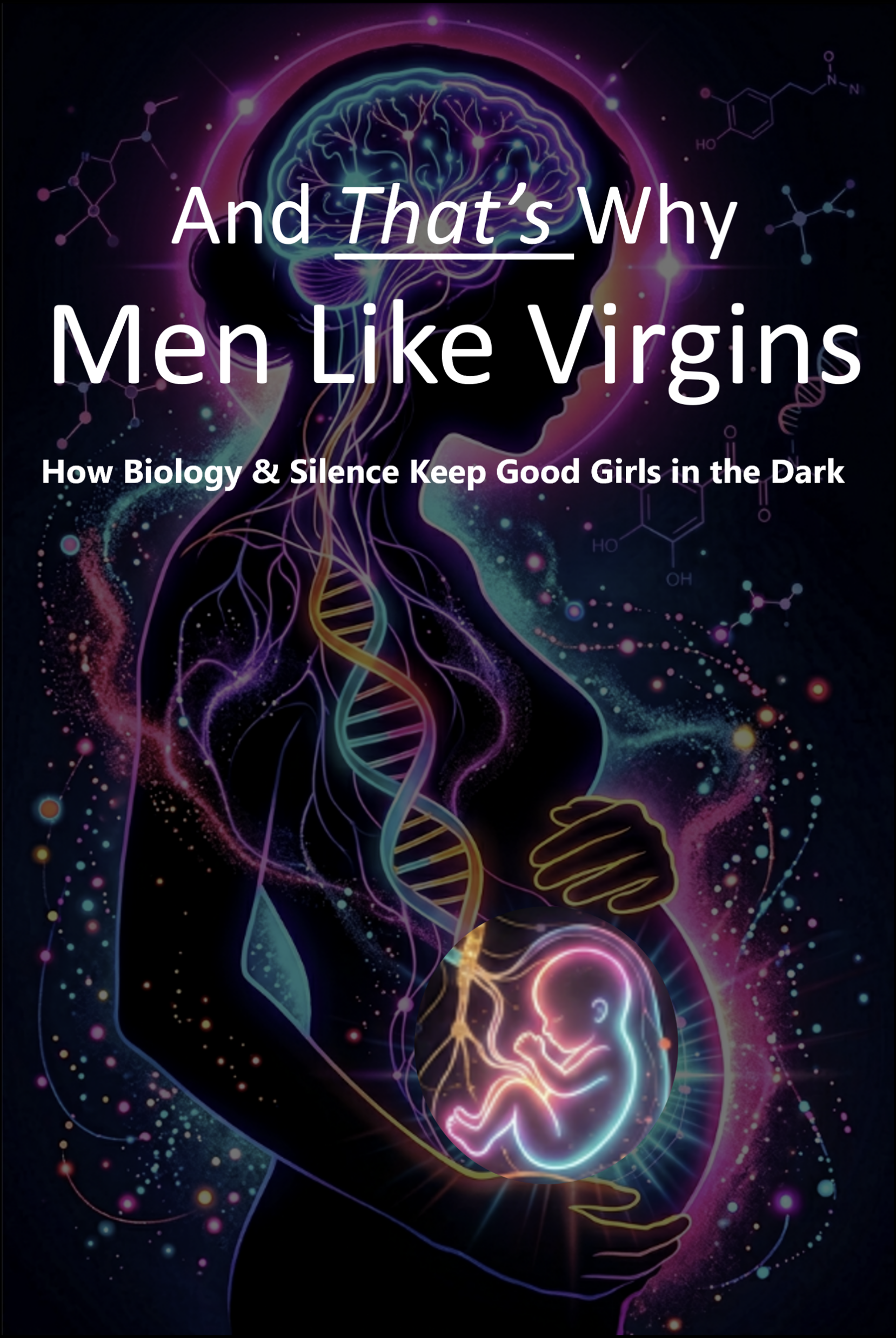
Turner, D. R. (2026). And that’s why men like virgins: How biology and silence keep good girls in the dark. VirtualVillageMom Publishing.
Walum, H., Westberg, L., Henningsson, S., Neiderhiser, J. M., Reiss, D., Igl, W., Ganiban, J. M., Spotts, E. L., Pedersen, N. L., Eriksson, E., & Lichtenstein, P. (2008). Genetic variation in the vasopressin receptor 1a gene (AVPR1A) associates with pair-bonding behavior in humans. Proceedings of the National Academy of Sciences, 105(37), 14153-14156. https://doi.org/10.1073/pnas.0803081105
Whisman, M. A., Gordon, K. C., & Chatav, Y. (2007). Predicting sexual infidelity in a population-based sample of married individuals. Journal of Family Psychology, 21(2), 320-324. https://doi.org/10.1037/0893-3200.21.2.320
Winslow, J. T., Hastings, N., Carter, C. S., Harbaugh, C. R., & Insel, T. R. (1993). A role for central vasopressin in pair bonding in monogamous prairie voles. Nature, 365(6446), 545-548. https://doi.org/10.1038/365545a0
Xu, L., Becker, B., Luo, R., Zheng, X., Zhao, W., Zhang, Q., & Kendrick, K. M. (2020). Oxytocin amplifies sex differences in human mate choice. Psychoneuroendocrinology, 112, 104483. https://doi.org/10.1016/j.psyneuen.2019.104483
Young, L. J., & Wang, Z. (2004). The neurobiology of pair bonding. Nature Neuroscience, 7(10), 1048-1054. https://doi.org/10.1038/nn1327
Zheng, X., Xu, X., Xu, L., Kou, J., Luo, L., Ma, X., & Kendrick, K. M. (2021). Intranasal oxytocin may help maintain romantic bonds by decreasing jealousy evoked by either imagined or real partner infidelity. Journal of Psychopharmacology, 35(6), 668-680. https://doi.org/10.1177/0269881121991576
About the Author
Donna R. Turner, Ed.S., MPH, CHES, HSMI, CDVA is the founder of the Center for Bio-Relational Health (CBRH) and the developer of the Bio-Relational Science educational framework. Her work integrates educational psychology, public health, neuroscience, reproductive biology, and relationship science to improve health literacy and relationship decision-making.
A Certified Health Education Specialist (CHES), Turner has spent more than two decades developing educational programs that translate complex scientific research into practical knowledge for the public. Her research interests include pair bonding, neuroendocrinology, reproductive health, human papillomavirus (HPV), stress physiology, and evidence-based relationship education.
She is the author of And That’s Why Men Like Virgins: How Biology & Silence Keep Good Girls in the Dark, the inventor of a patent-pending over-the-counter HPV sperm testing technology, and the creator of the Truth Talk relationship education series.
Learn more about the Center for Bio-Relational Health, explore additional Featured Articles, browse the Relationship Question Library for practical, evidence-informed answers grounded in Bio-Relational Science, or explore the app for free relationship lessons and unlock Ask Donna René for personalize guidance to your relationship questions.
Continue Exploring Bio-Relational Science
Want the broader relationship framework?
Explore attraction, attachment, intimacy, heartbreak, male romantic behavior, stress, trauma, and relationship decision-making in one practical book written for adult women.
Explore the Book