Bio-Relational Chemistry: Alignment, Consistency, and the Neurobiology of Romantic Bonding
Estimated reading time: 21 minutes | September 16, 2026
Evidence Note: This article integrates peer reviewed findings from developmental neuroscience, neuroendocrinology, reproductive immunology, virology, stress physiology, and public health. Every claim is tied to a cited primary source, and every source is listed in full with its digital object identifier at the end of the article. The Bio-Relational Science framework presented here is an original educational synthesis that translates this body of research into language the general reader can act on.
Abstract
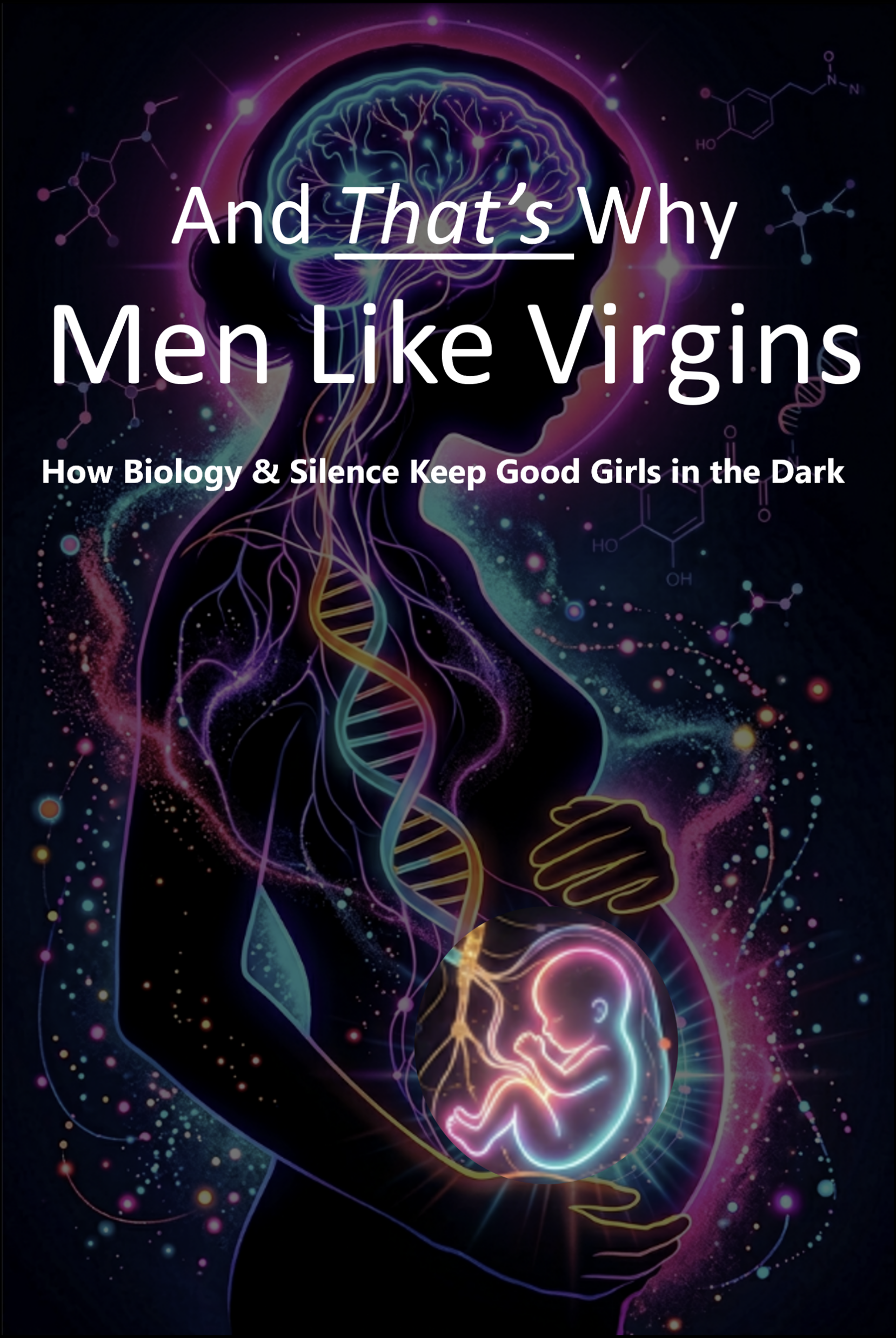
Popular relationship advice sets chemistry against consistency, treating chemistry as unstable attraction and consistency as the mature basis of partnership. This article argues that the opposition is false and that the two are components of one process. Chemistry, alignment, and consistency are interdependent dimensions of romantic bonding, and each has a measurable substrate. Early romantic attachment carries an endocrine signature, with elevated plasma oxytocin in new lovers, reduced daily cortisol production during the onset of love, and coordinated immune and reward markers supporting social synchrony (Schneiderman et al., 2012; Ulmer-Yaniv et al., 2016; Weisman et al., 2015). Partner hormone profiles at the onset of love predict how couples handle conflict and how long the relationship lasts (Schneiderman et al., 2014). Alignment, understood as practical congruence of values, attachment organization, behavioral pattern, and relational intent, is supported by evidence that ideal standards shape relationship evaluation and that experimentally manipulated preference match affects relationship outcomes (da Silva Frost & Eastwick, 2025; Eastwick et al., 2011; Fletcher et al., 1999). Consistency is best understood as the visible output of attachment organization and partner responsiveness rather than as a personality trait, and perceived partner responsiveness predicts diurnal cortisol profiles a decade later, moderates the mortality benefit of received support, and forecasts all cause mortality through negative affect reactivity (Powers et al., 2006; Selcuk & Ong, 2013; Slatcher et al., 2015; Stanton et al., 2019). The largest predictive study of relationship quality to date, spanning 43 longitudinal samples, found that a person’s own perceptions of responsiveness, appreciation, and satisfaction outperform partner traits in predicting relationship quality (Joel et al., 2020). Drawing on And That’s Why Men Like Virgins: How Biology and Silence Keep Good Girls in the Dark (Turner, 2026), this article develops a bio-relational account of why some relationships feel compelling yet unstable while others feel calm and sustainable, and specifies what a woman should evaluate and in what order.
Keywords: romantic attachment, chemistry, alignment, consistency, oxytocin, cortisol, partner responsiveness, bio-relational science, women’s wellness
Keywords: romantic attachment, chemistry, alignment, consistency, oxytocin, cortisol, partner responsiveness, bio-relational science, women’s wellness
Introduction
The advice to choose consistency over chemistry carries a real warning. Attraction can be intensified by novelty, uncertainty, and familiar patterns of dysfunction, and a relationship can feel urgent without being viable.
The framing is still wrong. It treats attraction, emotional security, partner reliability, and long term commitment as separate domains, when they are interacting components of a single bonding process. A woman told to pick one over the other is being handed a choice that the underlying biology does not offer.
Bio-Relational Science treats chemistry differently. Chemistry is not infatuation and it is not the opposite of judgment. It is a signal of biological and psychological engagement that appears during attachment formation, and it has a measurable physiological profile. New lovers show elevated plasma oxytocin relative to singles, early stage romantic love is associated with reduced daily cortisol production, and affiliation, reward, and immune biomarkers move together during the onset of love (Schneiderman et al., 2012; Ulmer-Yaniv et al., 2016; Weisman et al., 2015).
At the same time, the relationship science literature is clear that perceived fit, responsiveness, and reciprocity predict satisfaction, stability, and physical health outcomes (Joel et al., 2020; Robles et al., 2014; Slatcher et al., 2015). Those findings do not compete with the chemistry findings. They describe a later stage of the same process.
The useful question is therefore not which one matters more. It is when chemistry reflects genuine relational alignment, and when consistency reflects secure attachment rather than habit or convenience. That distinction is the subject of this article, and it matters because relational experience regulates stress physiology, emotional well being, and the conditions under which women make intimate decisions that are difficult to reverse.
Conceptual Framework
Bio-Relational Science integrates biology, attachment, behavior, and relational meaning into one explanatory framework. Human pairing is not only an emotional or moral event. It is a neurobiological and behavioral process shaped by bonding systems, stress systems, reward systems, and social learning (Carter, 2017; Turner, 2026; Young & Wang, 2004). Three constructs organize the present analysis, and a fourth specifies how they interact.
Chemistry is the felt experience of attraction, engagement, and relational activation, together with the physiological state that produces it. Early romantic love recruits dopaminergic reward and motivation circuitry (Aron et al., 2005; Fisher et al., 2005), alters serotonin transporter function (Marazziti et al., 1999), shifts reproductive hormone profiles (Marazziti & Canale, 2004; Sorokowski et al., 2019), raises plasma oxytocin (Schneiderman et al., 2012), and lowers daily cortisol output (Weisman et al., 2015). Chemistry is a state, not a verdict.
Alignment is congruence among values, attachment expectations, behavioral patterns, and relational intent. It is not similarity on paper. Ideal standards measurably shape how people evaluate and sustain relationships (Fletcher et al., 1999), preference match affects the process of initiating and maintaining relationships (Eastwick et al., 2011), and experimental manipulation of preference fulfillment affects relationship outcomes (da Silva Frost & Eastwick, 2025). Alignment is the practical fit between who each person is, how each person bonds, and what each person is prepared to sustain.
Consistency is repeated behavioral reliability across time: emotional availability, dependable follow through, predictable care, and responsiveness under stress. It is meaningful when it expresses attachment security rather than routine. Attachment organization predicts cortisol reactivity and recovery during couple conflict (Powers et al., 2006; Pietromonaco et al., 2013), which locates consistency in the stress axis rather than in temperament.
Directional order holds that these three do not carry equal diagnostic weight at the same time. Chemistry appears first and reveals engagement. Alignment becomes visible over weeks and reveals fit. Consistency becomes visible only under load and reveals security. Reading them out of order is how women spend years on relationships that were legible at the start (Turner, 2026).
Discussion
What chemistry actually is
Chemistry is treated in popular advice as a warning sign, something to be discounted in favor of sober assessment. That treatment misreads the phenomenon.
Early romantic attachment is a distinct physiological state, not an intensified preference. Aron et al. (2005) identified engagement of reward, motivation, and emotion systems in early stage intense romantic love, and Fisher et al. (2005, 2006) characterized romantic love as a mammalian brain system for mate choice with a specific neural signature. Fisher et al. (2016) argue that the pattern meets the criteria of a natural addiction, involving the same reward circuitry engaged by substance dependence. Marazziti et al. (1999) found altered platelet serotonin transporter density in people in early romantic love, at levels comparable to obsessive compulsive disorder.
None of this makes chemistry proof of anything. It makes chemistry evidence that a bonding process has started. That is different from novelty and different from mere interest, and it is why the felt experience is so hard to dismiss by force of will.
Early love has a measurable endocrine signature
Three findings anchor the claim that chemistry is biological rather than merely psychological.
Schneiderman et al. (2012) measured plasma oxytocin in new lovers and in single individuals and found it substantially higher in the new lovers, with oxytocin levels tracking the couple’s interactive reciprocity. The hormone most associated with attachment was already elevated at the point where popular advice says nothing real is happening yet.
Weisman et al. (2015) found that early stage romantic love was associated with reduced daily cortisol production. The onset of love shifts the stress axis.
Ulmer-Yaniv et al. (2016) extended the picture further, showing that affiliation hormones, reward markers, and immune biomarkers coalesce to support social synchrony during periods of new love and new friendship. The bonding state is systemic.
Then comes the finding with the most practical consequence. Schneiderman et al. (2014) showed that mutual influences between partners’ hormone levels at the onset of romantic love shaped conflict dialogue and predicted relationship duration. The endocrine state present at the beginning carries information about how the relationship will function later. Chemistry is not just a feeling to be endured until judgment returns.
Why intensity and instability are so easily confused
Chemistry can also be inflated by conditions that have nothing to do with fit, and the mechanism is documented.
Whitchurch et al. (2011) showed that uncertainty about whether someone likes you can increase attraction to that person. Not clarity. Uncertainty. Women who describe a relationship as electrifying and exhausting at the same time are often describing this effect rather than a bond.
Birnbaum and Reis (2012) found that responsiveness increases sexual interest for some people and dampens it for others depending on attachment orientation, which means the felt intensity of an encounter is partly a readout of the perceiver’s own attachment history. Birnbaum (2018) documents how sexual desire changes across relationship stages in ways that serve bond formation early and bond maintenance later.
The practical implication is precise. Intensity that rises when contact becomes unpredictable and falls when contact becomes reliable is not measuring the quality of the bond. It is measuring uncertainty. Intensity that persists and deepens as reliability increases is measuring something else.
Alignment is not a checklist
Alignment is frequently reduced to a list of traits, and that reduction is why women distrust it.
The research does not support the checklist version either. Fletcher et al. (1999) established that ideal standards in three domains, partner warmth and trustworthiness, partner vitality and attractiveness, and partner status and resources, function as evaluative templates that shape relationship judgments. Eastwick et al. (2011) then showed when and why those preferences affect the process of initiating and maintaining romantic relationships, with the effects appearing more reliably once a person has actual experience of the partner rather than at the stated preference stage. da Silva Frost and Eastwick (2025) tested the causal question experimentally.
The pattern across this literature is that abstract stated preferences predict less than people expect, and lived fit predicts more. Alignment therefore cannot be assessed from a profile or a first conversation. It becomes visible through accumulated behavior, which is precisely where consistency enters.
What actually predicts relationship quality
The single most informative study on this question is also the largest. Joel et al. (2020) applied machine learning to 43 longitudinal couples studies, encompassing more than 11,000 couples, to identify the most robust self report predictors of relationship quality.
The strongest predictors were a person’s own perceptions of the relationship: perceived partner commitment, appreciation, sexual satisfaction, perceived partner satisfaction, and conflict. Individual difference variables, the partner’s personality traits and demographics, predicted substantially less.
This finding reframes the chemistry versus consistency debate entirely. What predicts relationship quality is not a trait inventory of the partner and not the initial spark. It is the ongoing experience of being valued, wanted, and responded to. That experience is produced by consistency and validated by alignment, and it is the thing chemistry is supposed to be a preview of.
Consistency as the visible output of attachment organization
Consistency is usually discussed as a virtue. It is more accurately a symptom.
Powers et al. (2006) measured cortisol reactivity and recovery in dating couples during a relationship conflict task and found distinct patterns by attachment style. Pietromonaco et al. (2013) review the broader finding that adult romantic attachment shapes cortisol responses to relational stress. Buchheim et al. (2009) found that oxytocin enhanced the experience of attachment security itself.
Behavior that looks like reliability is therefore downstream of how a person’s attachment system is organized and how safe the relationship feels. A securely attached partner in a secure relationship produces predictable care without effort. A partner producing predictable care while remaining emotionally unavailable is producing routine, which is a different phenomenon that happens to look the same from outside.
This is why consistency must be assessed under load rather than in calm conditions. Anyone is reliable when nothing is required.
Partner responsiveness has hard health endpoints
The strongest argument for taking consistency seriously is not relational. It is medical.
Slatcher et al. (2015) found that perceived partner responsiveness predicted diurnal cortisol profiles ten years later. Selcuk and Ong (2013) found that perceived partner responsiveness moderated the association between received emotional support and all cause mortality. Stanton et al. (2019) found that perceived partner responsiveness predicted all cause mortality through daily negative affect reactivity.
Robles et al. (2014) conducted a meta analytic review of marital quality and health and found reliable associations with both physical health outcomes and mortality risk. Holt-Lunstad et al. (2015) established loneliness and social isolation as mortality risk factors in a meta analysis, and Hawkley and Cacioppo (2010) detail the physiological mechanisms.
A woman deciding whether a relationship is worth continuing is making a health decision, not only an emotional one. The quality of the bond she sustains registers in her cortisol profile a decade out.
Touch, physical affection, and the maintenance of the bond
The mechanism by which consistency reaches physiology is partly physical.
Coan et al. (2006) found that holding a partner’s hand during threat reduced neural activation in threat related regions, with the effect strongest in the highest quality marriages. Berretz et al. (2022) found that women who embraced their romantic partner before a stressful task showed reduced cortisol release, an effect not observed in men. Holt-Lunstad et al. (2008) found that a warm touch intervention among married couples raised oxytocin and lowered blood pressure and cortisol.
Debrot et al. (2013) documented touch functioning as an interpersonal emotion regulation process in couples’ daily lives, and Jakubiak and Feeney (2017) review the broader literature on affectionate touch promoting relational, psychological, and physical well being in adulthood.
Heinrichs et al. (2003) showed that social support combined with oxytocin produced the lowest cortisol response to a laboratory stressor, and Ditzen et al. (2009) found that intranasal oxytocin increased positive communication and lowered cortisol during couple conflict.
Consistency, in other words, is not abstract. It is delivered through repeated physical and emotional contact, and its effects are measurable in the body of the person receiving it.
Stress physiology sets the conditions for bonding
The stress axis does not only respond to relationships. It gates them, and it does so differently by sex.
DeVries et al. (1995) found that lowering corticosterone accelerated partner preference formation in female prairie voles, while administering corticosterone prevented new preferences from forming without disrupting established bonds. Carter et al. (1995) reported the same asymmetry. DeVries et al. (1996) established the dimorphism directly, with stress facilitating bond formation in males and inhibiting it in females. Anacker et al. (2016) replicated the dissociation between new and established relationships.
This produces a pattern women often misinterpret as personal failure. A woman under sustained relational or life stress may find that she cannot attach to a genuinely good new partner while remaining attached to a partner who has already harmed her. That is a regulated biological state operating exactly as described in the literature, not evidence of poor judgment or self sabotage.
It also means chemistry is partly a function of her own physiological condition. Endogenous estradiol levels in women are associated with implicit intimacy motivation and with attachment avoidance, which places the felt pull toward closeness partly under hormonal regulation rather than entirely under conscious appraisal (Edelstein et al., 2010). Low chemistry with an aligned, consistent partner during a high stress period is not reliable information about fit.
The male and female pathways are not the same
Any account of chemistry and consistency that assumes one shared bonding process in both partners will mislead.
Oxytocin and vasopressin govern partner preference and attachment, and their receptor systems differ substantially by sex in distribution and in regulation of social behavior (Blumenthal & Young, 2023; Dumais & Veenema, 2016). Insel and Hulihan (1995) established central oxytocin as the pathway for partner preference formation in females, and Winslow et al. (1993) established central vasopressin as the corresponding pathway in males. Cho et al. (1999) showed both peptides can act in both sexes while differing in potency and route. Keebaugh and Young (2011) and Ross et al. (2009) demonstrated that oxytocin receptor density in the nucleus accumbens determines how readily a bond forms at all. In men, vasopressin receptor 1a gene variation is associated with pair bonding behavior (Walum et al., 2008).
The consequence for chemistry is direct. Scheele et al. (2012) found that oxytocin increased the physical distance pair bonded men kept from an attractive female stranger, with no such effect in single men, and Scheele et al. (2013) found that oxytocin enhanced reward system response to the partner’s face and not to unfamiliar women. A bonded male system reweights attraction toward the partner.
The timing differs as well. Crespi (2016) synthesizes evidence that testosterone and oxytocin exert opposing influences on human social cognition, and Klimas et al. (2019) found higher testosterone associated with unfaithful behavior in men. Gettler et al. (2011) demonstrated that fatherhood decreases testosterone longitudinally, and Grebe et al. (2019) provide a meta analytic account of pair bonding, fatherhood, and testosterone. Because testosterone opposes the oxytocin dependent affiliative state, the shift into exclusive romantic attachment in men occurs early or not at all (Turner, 2026).
For a woman evaluating chemistry, this is the most consequential asymmetry in the article. Her attachment will deepen through continued contact. His will not assemble later out of accumulated evidence of her worth.
Sexual intimacy conditions attachment before alignment can be verified
Alignment and consistency take weeks or months to become visible. Sexual intimacy does not wait for them, and it is not neutral.
Sexual and physical closeness raise oxytocin and strengthen attachment in women through the same pathway that produces bond formation (Bosch & Young, 2018; Schneiderman et al., 2012). Seminal plasma contains cytokines and signaling molecules that interact with the female reproductive tract and alter immune parameters (Robertson, 2007; Schjenken & Robertson, 2020). Chan et al. (2012) identified male microchimerism in the human female brain, demonstrating that male derived cells can persist in female brain tissue.
The sequencing problem follows directly. A woman who becomes sexually involved early is conditioning her own attachment to a man whose alignment and consistency she has not yet been able to observe. By the time the information she needs becomes available, her capacity to act on it has already been altered. This is the core of the argument developed in And That’s Why Men Like Virgins (Turner, 2026), and the physiology supports it.
Chemistry without alignment, and consistency without attunement
The two failure modes are distinct and both are common.
Chemistry without alignment produces preoccupation. The relationship is absorbing and unresolved, attention is consumed, and the felt intensity is sustained by uncertainty rather than by fit (Whitchurch et al., 2011). Fisher et al. (2010) document that rejection in love engages reward, addiction, and emotion regulation systems, which is why exiting one of these relationships is physiologically difficult even when the woman knows it is wrong for her.
Consistency without attunement produces quiet dissatisfaction. The partner is reliable and the relationship is stable, yet responsiveness is absent. Given that perceived partner responsiveness is what carries the health effects (Selcuk & Ong, 2013; Slatcher et al., 2015; Stanton et al., 2019) and that perceptions of appreciation and partner commitment are what predict relationship quality (Joel et al., 2020), reliability without attunement does not deliver the benefit that consistency is supposed to provide.
Acevedo and Aron (2009) address the assumption underneath both errors, showing that romantic love, distinguished from obsessive preoccupation, is associated with high relationship quality in long term relationships rather than fading. Acevedo et al. (2012) identified the neural correlates of long term intense romantic love, involving the same reward regions engaged in early stage love. Intensity and longevity are not in conflict. Intensity and instability are.
What to evaluate, and in what order
The framework yields a sequence rather than a choice.
Chemistry is read first and interpreted as engagement, not as compatibility. The relevant test is whether it holds steady as contact becomes reliable, or rises when contact becomes unpredictable.
Alignment is read second, over weeks, through observable behavior rather than stated intention. The relevant material is how he treats people he owes nothing to, what he does when the two of you disagree, and whether his stated relational intent matches his allocation of time.
Consistency is read third and assessed under load. The relevant test is whether responsiveness survives stress, inconvenience, illness, and conflict.
Sexual intimacy is sequenced after the second and third readings rather than before them, because it alters the reader (Chan et al., 2012; Robertson, 2007; Schneiderman et al., 2012; Turner, 2026).
A relationship worth building has all three: attraction that is grounded, alignment that is real, and consistency that is sustained under pressure.
Relation to Bio-Relational Science
Bio-Relational Science is the framework that makes this sequence coherent. It integrates neuroendocrinology, developmental neuroscience, reproductive immunology, stress physiology, educational psychology, and public health to explain how intimate relationships operate in the body as well as in the mind (Turner, 2026).
The framework was developed at length in And That’s Why Men Like Virgins: How Biology and Silence Keep Good Girls in the Dark, which examines how silence, misinformation, and relational undereducation shape women’s vulnerability, and synthesizes research on bonding neurochemistry, reproductive asymmetry, biological imprinting, and trauma physiology into a model ordinary readers can apply (Turner, 2026).
Its contribution here is the separation of processes that popular advice collapses. Attraction, chemistry, alignment, attachment, consistency, comfort, and love are distinct phenomena with distinct substrates and distinct time courses. Once they are separated, the chemistry versus consistency question dissolves. Chemistry reports that a bonding process has begun. Alignment reports whether the bond has a foundation. Consistency reports whether it is being maintained. A woman needs all three readings, and she needs them in that order, because the cost of reading them out of order falls on her body and not only on her feelings.
Implications for Women’s Wellness and Bio-Relational Education
A rigorous model of women’s wellness must treat relationship literacy as a core preventive domain. Health education that covers nutrition, exercise, and stress management while omitting bond quality omits a major determinant of both psychological and physiological well being (Robles et al., 2014; Slatcher et al., 2015; Stanton et al., 2019; Turner, 2026).
A curriculum built on this evidence would teach five things directly.
It would teach that chemistry is real and physiological, so that women stop being instructed to distrust their own bodies, while also teaching the uncertainty effect so they can tell engagement from anxiety (Schneiderman et al., 2012; Weisman et al., 2015; Whitchurch et al., 2011).
It would teach that what predicts relationship quality is the ongoing experience of responsiveness and appreciation rather than the partner’s trait profile, which redirects assessment away from résumés and toward behavior (Joel et al., 2020).
It would teach that responsiveness has measurable health endpoints, including cortisol profiles a decade later and all cause mortality risk, which moves relationship education inside the scope of public health rather than the scope of self help (Selcuk & Ong, 2013; Slatcher et al., 2015; Stanton et al., 2019).
It would teach the sex asymmetry honestly, including the part women find hardest: because testosterone opposes oxytocin driven affiliation, the male shift into exclusive attachment occurs early or not at all, and no quantity of female investment produces it later (Crespi, 2016; Klimas et al., 2019; Scheele et al., 2013).
And it would teach the sequencing rule, that sexual intimacy conditions her attachment before alignment and consistency can be verified, and that the physiological consequences of exposure do not depend on how the relationship turns out (Chan et al., 2012; Robertson, 2007; Schjenken & Robertson, 2020).
For educators and clinicians, the practical implication is that relationship assessment should be multidimensional and time structured. Subjective attraction, observable consistency, and attachment related behavior each carry different information and become available at different points. For prevention work, the implication is that teaching women to read bond quality early reduces the distress, the health burden, and the years that late recognition costs them.
Conclusion
Chemistry and consistency are not opposing forces. Chemistry is the physiological signature of a bonding process beginning. Alignment is whether that process has a foundation. Consistency is whether it is being maintained under load.
The question is therefore never whether a woman should value chemistry or consistency. It is whether her chemistry is supported by alignment, and whether her partner’s consistency is produced by attachment security rather than by habit.
The evidence supports reading all three, in order, and withholding the decisions that are hardest to reverse until the second and third readings are in. Chemistry should not be discarded. It should be interpreted, in light of alignment, consistency, and what is now known about how bonds are built and what they cost the body when they are built on the wrong information.
References
Acevedo, B. P., & Aron, A. (2009). Does a long-term relationship kill romantic love? Review of General Psychology, 13(1), 59-65. https://doi.org/10.1037/a0014226
Acevedo, B. P., Aron, A., Fisher, H. E., & Brown, L. L. (2012). Neural correlates of long-term intense romantic love. Social Cognitive and Affective Neuroscience, 7(2), 145-159. https://doi.org/10.1093/scan/nsq092
Anacker, A. M. J., Reitz, K. M., Goodwin, N. L., & Beery, A. K. (2016). Stress impairs new but not established relationships in seasonally social voles. Hormones and Behavior, 79, 52-57. https://doi.org/10.1016/j.yhbeh.2016.01.004
Aron, A., Fisher, H., Mashek, D. J., Strong, G., Li, H., & Brown, L. L. (2005). Reward, motivation, and emotion systems associated with early-stage intense romantic love. Journal of Neurophysiology, 94(1), 327-337. https://doi.org/10.1152/jn.00838.2004
Berretz, G., Cebula, C., Wortelmann, B. M., Papadopoulou, P., Wolf, O. T., Ocklenburg, S., & Packheiser, J. (2022). Romantic partner embraces reduce cortisol release after acute stress induction in women but not in men. PLOS ONE, 17(5), e0266887. https://doi.org/10.1371/journal.pone.0266887
Birnbaum, G. E. (2018). The fragile spell of desire: A functional perspective on changes in sexual desire across relationship development. Personality and Social Psychology Review, 22(2), 101-127. https://doi.org/10.1177/1088868317715350
Birnbaum, G. E., & Reis, H. T. (2012). When does responsiveness pique sexual interest? Attachment and sexual desire in initial acquaintanceships. Personality and Social Psychology Bulletin, 38(7), 946-958. https://doi.org/10.1177/0146167212441028
Blumenthal, S. A., & Young, L. J. (2023). The neurobiology of love and pair bonding from human and animal perspectives. Biology, 12(6), 844. https://doi.org/10.3390/biology12060844
Bosch, O. J., & Young, L. J. (2018). Oxytocin and social relationships: From attachment to bond disruption. Current Topics in Behavioral Neurosciences, 35, 97-117. https://doi.org/10.1007/7854_2017_10
Buchheim, A., Heinrichs, M., George, C., Pokorny, D., Koops, E., Henningsen, P., O’Connor, M. F., & Gündel, H. (2009). Oxytocin enhances the experience of attachment security. Psychoneuroendocrinology, 34(9), 1417-1422. https://doi.org/10.1016/j.psyneuen.2009.04.002
Carter, C. S. (2017). The oxytocin-vasopressin pathway in the context of love and fear. Frontiers in Endocrinology, 8, 356. https://doi.org/10.3389/fendo.2017.00356
Carter, C. S., DeVries, A. C., Taymans, S. E., Roberts, R. L., Williams, J. R., & Chrousos, G. P. (1995). Adrenocorticoid hormones and the development and expression of mammalian monogamy. Annals of the New York Academy of Sciences, 771, 82-91. https://doi.org/10.1111/j.1749-6632.1995.tb44672.x
Chan, W. F. N., Gurnot, C., Montine, T. J., Sonnen, J. A., Guthrie, K. A., & Nelson, J. L. (2012). Male microchimerism in the human female brain. PLoS ONE, 7(9), e45592. https://doi.org/10.1371/journal.pone.0045592
Cho, M. M., DeVries, A. C., Williams, J. R., & Carter, C. S. (1999). The effects of oxytocin and vasopressin on partner preferences in male and female prairie voles (Microtus ochrogaster). Behavioral Neuroscience, 113(5), 1071-1079. https://doi.org/10.1037/0735-7044.113.5.1071
Coan, J. A., Schaefer, H. S., & Davidson, R. J. (2006). Lending a hand: Social regulation of the neural response to threat. Psychological Science, 17(12), 1032-1039. https://doi.org/10.1111/j.1467-9280.2006.01832.x
Crespi, B. J. (2016). Oxytocin, testosterone, and human social cognition. Biological Reviews, 91(2), 390-408. https://doi.org/10.1111/brv.12175
da Silva Frost, A., & Eastwick, P. W. (2025). Experimental tests of the role of ideal partner preferences in relationships. Personality and Social Psychology Bulletin, 52(8), 2348-2363. https://doi.org/10.1177/01461672251339575
Debrot, A., Schoebi, D., Perrez, M., & Horn, A. B. (2013). Touch as an interpersonal emotion regulation process in couples’ daily lives: The mediating role of psychological intimacy. Personality and Social Psychology Bulletin, 39(10), 1373-1385. https://doi.org/10.1177/0146167213497592
DeVries, A. C., DeVries, M. B., Taymans, S., & Carter, C. S. (1995). Modulation of pair bonding in female prairie voles (Microtus ochrogaster) by corticosterone. Proceedings of the National Academy of Sciences, 92(17), 7744-7748. https://doi.org/10.1073/pnas.92.17.7744
DeVries, A. C., DeVries, M. B., Taymans, S. E., & Carter, C. S. (1996). The effects of stress on social preferences are sexually dimorphic in prairie voles. Proceedings of the National Academy of Sciences, 93(21), 11980-11984. https://doi.org/10.1073/pnas.93.21.11980
Ditzen, B., Schaer, M., Gabriel, B., Bodenmann, G., Ehlert, U., & Heinrichs, M. (2009). Intranasal oxytocin increases positive communication and reduces cortisol levels during couple conflict. Biological Psychiatry, 65(9), 728-731. https://doi.org/10.1016/j.biopsych.2008.10.011
Dumais, K. M., & Veenema, A. H. (2016). Vasopressin and oxytocin receptor systems in the brain: Sex differences and sex-specific regulation of social behavior. Frontiers in Neuroendocrinology, 40, 1-23. https://doi.org/10.1016/j.yfrne.2015.04.003
Eastwick, P. W., Finkel, E. J., & Eagly, A. H. (2011). When and why do ideal partner preferences affect the process of initiating and maintaining romantic relationships? Journal of Personality and Social Psychology, 101(5), 1012-1032. https://doi.org/10.1037/a0024062
Edelstein, R. S., Stanton, S. J., Henderson, M. M., & Sanders, M. R. (2010). Endogenous estradiol levels are associated with attachment avoidance and implicit intimacy motivation. Hormones and Behavior, 57(2), 230-236. https://doi.org/10.1016/j.yhbeh.2009.11.007
Fisher, H. E., Aron, A., & Brown, L. L. (2005). Romantic love: An fMRI study of a neural mechanism for mate choice. The Journal of Comparative Neurology, 493(1), 58-62. https://doi.org/10.1002/cne.20772
Fisher, H. E., Aron, A., & Brown, L. L. (2006). Romantic love: A mammalian brain system for mate choice. Philosophical Transactions of the Royal Society B: Biological Sciences, 361(1476), 2173-2186. https://doi.org/10.1098/rstb.2006.1938
Fisher, H. E., Brown, L. L., Aron, A., Strong, G., & Mashek, D. (2010). Reward, addiction, and emotion regulation systems associated with rejection in love. Journal of Neurophysiology, 104(1), 51-60. https://doi.org/10.1152/jn.00784.2009
Fisher, H. E., Xu, X., Aron, A., & Brown, L. L. (2016). Intense, passionate, romantic love: A natural addiction? How the fields that investigate romance and substance abuse can inform each other. Frontiers in Psychology, 7, 687. https://doi.org/10.3389/fpsyg.2016.00687
Fletcher, G. J. O., Simpson, J. A., Thomas, G., & Giles, L. (1999). Ideals in intimate relationships. Journal of Personality and Social Psychology, 76(1), 72-89. https://doi.org/10.1037/0022-3514.76.1.72
Gettler, L. T., McDade, T. W., Feranil, A. B., & Kuzawa, C. W. (2011). Longitudinal evidence that fatherhood decreases testosterone in human males. Proceedings of the National Academy of Sciences, 108(39), 16194-16199. https://doi.org/10.1073/pnas.1105403108
Grebe, N. M., Sarafin, R. E., Strenth, C. R., & Zilioli, S. (2019). Pair-bonding, fatherhood, and the role of testosterone: A meta-analytic review. Neuroscience and Biobehavioral Reviews, 98, 221-233. https://doi.org/10.1016/j.neubiorev.2019.01.010
Hawkley, L. C., & Cacioppo, J. T. (2010). Loneliness matters: A theoretical and empirical review of consequences and mechanisms. Annals of Behavioral Medicine, 40(2), 218-227. https://doi.org/10.1007/s12160-010-9210-8
Heinrichs, M., Baumgartner, T., Kirschbaum, C., & Ehlert, U. (2003). Social support and oxytocin interact to suppress cortisol and subjective responses to psychosocial stress. Biological Psychiatry, 54(12), 1389-1398. https://doi.org/10.1016/S0006-3223(03)00465-7
Holt-Lunstad, J., Birmingham, W. A., & Light, K. C. (2008). Influence of a “warm touch” support enhancement intervention among married couples on ambulatory blood pressure, oxytocin, alpha amylase, and cortisol. Psychosomatic Medicine, 70(9), 976-985. https://doi.org/10.1097/PSY.0b013e318187aef7
Holt-Lunstad, J., Smith, T. B., Baker, M., Harris, T., & Stephenson, D. (2015). Loneliness and social isolation as risk factors for mortality: A meta-analytic review. Perspectives on Psychological Science, 10(2), 227-237. https://doi.org/10.1177/1745691614568352
Insel, T. R., & Hulihan, T. J. (1995). A gender-specific mechanism for pair bonding: Oxytocin and partner preference formation in monogamous voles. Behavioral Neuroscience, 109(4), 782-789. https://doi.org/10.1037/0735-7044.109.4.782
Jakubiak, B. K., & Feeney, B. C. (2017). Affectionate touch to promote relational, psychological, and physical well-being in adulthood: A theoretical model and review of the research. Personality and Social Psychology Review, 21(3), 228-252. https://doi.org/10.1177/1088868316650307
Joel, S., Eastwick, P. W., Allison, C. J., Arriaga, X. B., Baker, Z. G., Bar-Kalifa, E., Bergeron, S., Birnbaum, G. E., Brock, R. L., Brumbaugh, C. C., Carmichael, C. L., Chen, S., Clarke, J., Cobb, R. J., Coolsen, M. K., Davis, J., de Jong, D. C., Debrot, A., DeHaas, E. C., … Wolf, S. (2020). Machine learning uncovers the most robust self-report predictors of relationship quality across 43 longitudinal couples studies. Proceedings of the National Academy of Sciences, 117(32), 19061-19071. https://doi.org/10.1073/pnas.1917036117
Keebaugh, A. C., & Young, L. J. (2011). Increasing oxytocin receptor expression in the nucleus accumbens of pre-pubertal female prairie voles enhances alloparental responsiveness and partner preference formation as adults. Hormones and Behavior, 60(5), 498-504. https://doi.org/10.1016/j.yhbeh.2011.07.018
Klimas, C., Ehlert, U., Lacker, T. J., Waldvogel, P., & Walther, A. (2019). Higher testosterone levels are associated with unfaithful behavior in men. Biological Psychology, 146, 107730. https://doi.org/10.1016/j.biopsycho.2019.107730
Marazziti, D., & Canale, D. (2004). Hormonal changes when falling in love. Psychoneuroendocrinology, 29(7), 931-936. https://doi.org/10.1016/j.psyneuen.2003.08.006
Marazziti, D., Akiskal, H. S., Rossi, A., & Cassano, G. B. (1999). Alteration of the platelet serotonin transporter in romantic love. Psychological Medicine, 29(3), 741-745. https://doi.org/10.1017/S0033291798007946
Pietromonaco, P. R., DeBuse, C. J., & Powers, S. I. (2013). Does attachment get under the skin? Adult romantic attachment and cortisol responses to stress. Current Directions in Psychological Science, 22(1), 63-68. https://doi.org/10.1177/0963721412463229
Powers, S. I., Pietromonaco, P. R., Gunlicks, M., & Sayer, A. (2006). Dating couples’ attachment styles and patterns of cortisol reactivity and recovery in response to a relationship conflict. Journal of Personality and Social Psychology, 90(4), 613-628. https://doi.org/10.1037/0022-3514.90.4.613
Robertson, S. A. (2007). Seminal fluid signaling in the female reproductive tract: Lessons from rodents and pigs. Journal of Animal Science, 85(13 Suppl), E36-E44. https://doi.org/10.2527/jas.2006-578
Robles, T. F., Slatcher, R. B., Trombello, J. M., & McGinn, M. M. (2014). Marital quality and health: A meta-analytic review. Psychological Bulletin, 140(1), 140-187. https://doi.org/10.1037/a0031859
Ross, H. E., Freeman, S. M., Spiegel, L. L., Ren, X., Terwilliger, E. F., & Young, L. J. (2009). Variation in oxytocin receptor density in the nucleus accumbens has differential effects on affiliative behaviors in monogamous and polygamous voles. The Journal of Neuroscience, 29(5), 1312-1318. https://doi.org/10.1523/JNEUROSCI.5039-08.2009
Scheele, D., Striepens, N., Güntürkün, O., Deutschländer, S., Maier, W., Kendrick, K. M., & Hurlemann, R. (2012). Oxytocin modulates social distance between males and females. The Journal of Neuroscience, 32(46), 16074-16079. https://doi.org/10.1523/JNEUROSCI.2755-12.2012
Scheele, D., Wille, A., Kendrick, K. M., Stoffel-Wagner, B., Becker, B., Güntürkün, O., Maier, W., & Hurlemann, R. (2013). Oxytocin enhances brain reward system responses in men viewing the face of their female partner. Proceedings of the National Academy of Sciences, 110(50), 20308-20313. https://doi.org/10.1073/pnas.1314190110
Schjenken, J. E., & Robertson, S. A. (2020). The female response to seminal fluid. Physiological Reviews, 100(3), 1077-1117. https://doi.org/10.1152/physrev.00013.2018
Schneiderman, I., Kanat-Maymon, Y., Zagoory-Sharon, O., & Feldman, R. (2014). Mutual influences between partners’ hormones shape conflict dialog and relationship duration at the onset of romantic love. Social Neuroscience, 9(4), 337-351. https://doi.org/10.1080/17470919.2014.893925
Schneiderman, I., Zagoory-Sharon, O., Leckman, J. F., & Feldman, R. (2012). Oxytocin during the initial stages of romantic attachment: Relations to couples’ interactive reciprocity. Psychoneuroendocrinology, 37(8), 1277-1285. https://doi.org/10.1016/j.psyneuen.2011.12.021
Selcuk, E., & Ong, A. D. (2013). Perceived partner responsiveness moderates the association between received emotional support and all-cause mortality. Health Psychology, 32(2), 231-235. https://doi.org/10.1037/a0028276
Slatcher, R. B., Selcuk, E., & Ong, A. D. (2015). Perceived partner responsiveness predicts diurnal cortisol profiles 10 years later. Psychological Science, 26(7), 972-982. https://doi.org/10.1177/0956797615575022
Sorokowski, P., Żelaźniewicz, A., Nowak, J., Groyecka, A., Kaleta, M., Lech, W., Samorek, S., & Stachowska, K. (2019). Romantic love and reproductive hormones in women. International Journal of Environmental Research and Public Health, 16(21), 4224. https://doi.org/10.3390/ijerph16214224
Stanton, S. C. E., Selcuk, E., Farrell, A. K., Slatcher, R. B., & Ong, A. D. (2019). Perceived partner responsiveness, daily negative affect reactivity, and all-cause mortality: A 20-year longitudinal study. Psychosomatic Medicine, 81(1), 7-15. https://doi.org/10.1097/PSY.0000000000000618
Turner, D. R. (2026). And That’s Why Men Like Virgins: How Biology and Silence Keep Good Girls in the Dark. VirtualVillageMom Publishing.
Ulmer-Yaniv, A., Avitsur, R., Kanat-Maymon, Y., Schneiderman, I., Zagoory-Sharon, O., & Feldman, R. (2016). Affiliation, reward, and immune biomarkers coalesce to support social synchrony during periods of bond formation in humans. Brain, Behavior, and Immunity, 56, 130-139. https://doi.org/10.1016/j.bbi.2016.02.017
Walum, H., Westberg, L., Henningsson, S., Neiderhiser, J. M., Reiss, D., Igl, W., Ganiban, J. M., Spotts, E. L., Pedersen, N. L., Eriksson, E., & Lichtenstein, P. (2008). Genetic variation in the vasopressin receptor 1a gene (AVPR1A) associates with pair-bonding behavior in humans. Proceedings of the National Academy of Sciences, 105(37), 14153-14156. https://doi.org/10.1073/pnas.0803081105
Weisman, O., Schneiderman, I., Zagoory-Sharon, O., & Feldman, R. (2015). Early stage romantic love is associated with reduced daily cortisol production. Adaptive Human Behavior and Physiology, 1(1), 41-53. https://doi.org/10.1007/s40750-014-0007-z
Whitchurch, E. R., Wilson, T. D., & Gilbert, D. T. (2011). “He loves me, he loves me not . . .”: Uncertainty can increase romantic attraction. Psychological Science, 22(2), 172-175. https://doi.org/10.1177/0956797610393745
Winslow, J. T., Hastings, N., Carter, C. S., Harbaugh, C. R., & Insel, T. R. (1993). A role for central vasopressin in pair bonding in monogamous prairie voles. Nature, 365(6446), 545-548. https://doi.org/10.1038/365545a0
Young, L. J., & Wang, Z. (2004). The neurobiology of pair bonding. Nature Neuroscience, 7(10), 1048-1054. https://doi.org/10.1038/nn1327
About the Author
Donna R. Turner, Ed.S., MPH, CHES, HSMI, CDVA is the founder of the Center for Bio-Relational Health (CBRH) and the developer of the Bio-Relational Science educational framework. Her work integrates educational psychology, public health, neuroscience, reproductive biology, and relationship science to improve health literacy and relationship decision-making.
A Certified Health Education Specialist (CHES), Turner has spent more than two decades developing educational programs that translate complex scientific research into practical knowledge for the public. Her research interests include pair bonding, neuroendocrinology, reproductive health, human papillomavirus (HPV), stress physiology, and evidence-based relationship education.
She is the author of And That’s Why Men Like Virgins: How Biology & Silence Keep Good Girls in the Dark, the inventor of a patent-pending over-the-counter HPV sperm testing technology, and the creator of the Truth Talk relationship education series.
Learn more about the Center for Bio-Relational Health, explore additional Featured Articles, browse the Relationship Question Library for practical, evidence-informed answers grounded in Bio-Relational Science, or explore the app for free relationship lessons and unlock Ask Donna René for personalize guidance to your relationship questions.
Continue Exploring Bio-Relational Science
Want the broader relationship framework?
Explore attraction, attachment, intimacy, heartbreak, male romantic behavior, stress, trauma, and relationship decision-making in one practical book written for adult women.
Explore the Book