Why Do I Feel Like I Do Not Deserve
to Be Loved and Respected?
A Bio-Relational Analysis of Self-Worth, Attachment, and Relational Wounding
Estimated reading time: 21 minutes | June 2, 2026
Evidence Note: This article integrates peer reviewed findings from developmental neuroscience, neuroendocrinology, reproductive immunology, virology, stress physiology, and public health. Every claim is tied to a cited primary source, and every source is listed in full with its digital object identifier at the end of the article. The Bio-Relational Science framework presented here is an original educational synthesis that translates this body of research into language the general reader can act on.
Abstract
The feeling that one does not deserve love and respect is usually experienced as a verdict about the self. It is better understood as a prediction the nervous system learned to make. Self-worth is not a fixed trait discovered in childhood and carried forward unchanged. It is assembled out of repeated relational evidence, and the assembly process runs through the same attachment, reward, and stress systems that govern bonding itself. Attachment style predicts which domains a person stakes her worth on, with insecure attachment associated with worth made contingent on approval and appearance (Park et al., 2004; Crocker & Wolfe, 2001). Attachment security is associated with higher self-esteem and lower psychological distress (Shen et al., 2021). Childhood emotional maltreatment predicts poorer adult romantic functioning across a multilevel meta-analytic review and a prospective longitudinal cohort (Cao et al., 2022; Labella et al., 2018), and adverse childhood experience is associated with altered adult cortisol patterns and with blunted reward anticipation in the basal ganglia decades later (Power et al., 2012; Dillon et al., 2009). Dopamine neurons respond most strongly to uncertain reward rather than reliable reward, which explains why inconsistent affection produces more pursuit than steady affection does (Fiorillo et al., 2003; Anselme & Robinson, 2013). Social rejection recruits the same somatosensory representations as physical pain, and that response is shaped by attachment style (Kross et al., 2011; Eisenberger et al., 2003; DeWall et al., 2012). This article argues, within the Bio-Relational Science framework, that unworthiness is a trained expectation rather than an accurate appraisal, and that the training is reversible. Adult attachment status changed measurably in a randomized clinical trial and in treatment case series (Levy et al., 2006; Wesselmann & Potter, 2009), and experimentally boosted attachment security improves functioning (Mikulincer & Shaver, 2007). What was learned in relationships can be relearned in relationships.
Keywords: self-worth, attachment, contingent self-esteem, childhood emotional maltreatment, intermittent reinforcement, shame, oxytocin, cortisol, bio-relational science, women’s wellness
Introduction
Many women arrive at the same question, and they arrive at it with the certainty of someone reporting a fact rather than describing a symptom. Why do I feel like I do not deserve to be loved and respected?
The question contains a hidden assumption that deserves to be taken apart. It assumes the feeling is informative, that it is reporting on the worth of the person having it. That assumption is what makes the feeling so durable. A belief that presents itself as a perception is very hard to argue with.
Bio-Relational Science begins somewhere else. It treats the sense of being undeserving as an output of a learning system, not as a measurement of value. The attachment system is built to predict. It watches what happens when a person reaches for care and it updates accordingly. If reaching produced warmth reliably, the prediction becomes: I will be met. If reaching produced warmth sometimes, coldness sometimes, and punishment occasionally, the prediction becomes something else entirely, and the cheapest way for a mind to organize that inconsistency is to locate the cause in itself. If the variable is me, then I can fix it.
This is not a metaphor. Early caregiving leaves measurable marks on stress physiology, on reward anticipation, and on the receptor systems that govern bonding. The belief a woman is fighting is not floating in her thoughts. It is laid into tissue that was doing exactly what it was designed to do under the conditions it was given.
That distinction changes everything about what to do next. A verdict is something to accept or dispute. A trained prediction is something to retrain. This article sets out what the research shows about how the training happened, why it holds so firmly, and what the evidence says about changing it (Turner, 2026).
Conceptual Framework
Four constructs organize the analysis.
Internal working models are the expectations about care, responsiveness, and one’s own value that develop out of repeated caregiving experience. Bowlby’s original formulation, and the research tradition that followed, treats these as working representations that guide behavior rather than as conscious beliefs (Bretherton, 1992).
Contingent self-worth is the degree to which a person’s sense of value depends on meeting conditions such as approval, appearance, or performance, rather than resting on unconditional regard. Contingent self-worth is measurable, it varies by attachment style, and it drives self-regulatory effort (Crocker & Wolfe, 2001; Crocker et al., 2006; Park et al., 2004).
Intermittent reinforcement is a schedule in which reward arrives unpredictably. It produces stronger and more persistent pursuit than reliable reward, and the mechanism is visible in dopamine neuron firing (Fiorillo et al., 2003; Anselme & Robinson, 2013).
Relational injury is the accumulated physiological and psychological consequence of emotional maltreatment, neglect, and unpredictability, with documented effects on adult stress regulation, threat processing, reward function, and romantic functioning (Teicher & Samson, 2016; Hein & Monk, 2017; Power et al., 2012; Cao et al., 2022).
The argument is that unworthiness sits at the intersection of these four, and that none of the four is a statement about a woman’s actual value.
Discussion
Unworthiness is a prediction, not a verdict
The attachment system’s job is forecasting. It takes a history of bids for care and their outcomes and produces an expectation about the next bid. Bretherton (1992) traced how Bowlby and Ainsworth arrived at the concept of internal working models, representations that operate below deliberate thought and guide how a person approaches closeness.
A forecast built from inconsistent care will predict inconsistency. What the forecast cannot do is distinguish between two very different causes of inconsistency, namely a caregiver who was unable or unwilling to give steady care, and a self that was not worth steady care. Both hypotheses fit the data. The second one is the one a child can act on.
That is the origin of the belief. It was never a conclusion about worth. It was the more actionable of two explanations, adopted at an age when action was the only available form of safety.
Attachment security and self-esteem move together
Shen, Liu, and Brat (2021) tested a multiple-mediator model of attachment, self-esteem, and psychological distress and found the expected structure: greater attachment security is associated with stronger self-esteem and less distress, with self-esteem carrying part of the pathway.
Orth and Robins (2014) describe self-esteem as developing across the lifespan in patterned ways rather than being fixed, and Sowislo and Orth (2013) established in meta-analysis of longitudinal studies that low self-esteem predicts later depression rather than merely accompanying it. Self-esteem is upstream of symptoms, which means it is worth treating as a target rather than as a byproduct.
Mikulincer and Shaver (2019) describe how attachment orientations organize emotion regulation, which is the link between a relational history and a daily internal experience. A woman who feels undeserving is not merely holding a negative thought. She is running a regulation strategy that was fitted to an unreliable environment.
Conditional love builds the architecture of self-blame
Park, Crocker, and Mickelson (2004) examined attachment styles alongside contingencies of self-worth and found that insecure attachment was associated with basing self-worth on external contingencies such as others’ approval and appearance, while secure attachment was associated with less contingent worth.
Crocker and Wolfe (2001) set out the theory behind this: self-worth is domain specific and contingent, and the domains a person stakes herself on determine what threatens her. Crocker et al. (2006) then documented the cost side, showing that the pursuit of self-esteem through contingent domains consumes self-regulatory resources and distorts goal pursuit.
This is the mechanism behind a pattern many women recognize in themselves. Over-explaining, overgiving, preemptive apology, and the habit of making oneself easy to be around are not personality flaws. They are the behavioral signature of worth that has been made conditional, running a strategy to secure something that in a healthy bond is not conditional at all.
The burden itself is diagnostic. When basic respect has to be earned through performance, the relational environment is the variable that is off, not the woman working the strategy.
Childhood emotional maltreatment carries forward into adult love
Felitti et al. (1998) established the baseline finding in a sample of more than seventeen thousand adults, showing a graded relationship between the number of adverse childhood experiences and adult disease risk. The exposures counted in that study included emotional abuse and household dysfunction, not only physical harm, which put the effects of an emotionally unsafe childhood on the same footing as any other medical risk factor.
Cao et al. (2022) conducted a multilevel meta-analytic review of childhood emotional maltreatment and adulthood romantic relationship well-being and found consistent association. Labella et al. (2018) went further methodologically, using a prospective longitudinal cohort to show that multiple dimensions of childhood abuse and neglect predicted poorer adult romantic functioning measured decades later.
Fitzgerald (2021) mapped the developmental pathways from childhood maltreatment to young adult romantic relationship functioning. Vaillancourt-Morel et al. (2023) used a dyadic daily diary and longitudinal design to show that childhood maltreatment was associated with lower perceived partner responsiveness in adult romantic relationships, meaning the history alters not only behavior but what a woman is able to perceive when care is offered.
Infurna et al. (2016) found in meta-analysis that specific childhood experiences of abuse and neglect were associated with depression, with emotional abuse and emotional neglect carrying substantial weight. Ross, Kaminski, and Herrington (2019) traced one of the routes, finding that childhood emotional maltreatment predicted adult depressive symptoms through self-compassion, which places a woman’s stance toward herself directly in the causal path.
Teicher and Samson (2016) reviewed the enduring neurobiological effects of childhood abuse and neglect, and Hein and Monk (2017) established in quantitative meta-analysis that neural response to threat is altered in children, adolescents, and adults following maltreatment. The nervous system that was calibrated to an unsafe environment continues running that calibration in a safe one.
The stress axis keeps the record
Power et al. (2012) analyzed childhood psychosocial adversity against adult cortisol patterns in a large cohort and found the association intact in midlife. Gunnar and Quevedo (2007) reviewed the neurobiology of stress and development and established how early care experience shapes hypothalamic pituitary adrenal axis regulation.
Appelmann et al. (2021) found that childhood adversity was associated with altered cortisol habituation to repeated stress in adulthood, meaning the system stops adjusting normally to a stressor it has seen before. England-Mason et al. (2017) found that difficulties with emotion regulation moderated the association between childhood maltreatment history and cortisol reactivity to psychosocial challenge in postpartum women.
Quirin et al. (2008) linked adult attachment anxiety directly to hypothalamic pituitary adrenal regulation, with individual differences in both reactive and awakening cortisol. Pietromonaco et al. (2013) reviewed the broader question of whether attachment gets under the skin and concluded that adult romantic attachment shows up in cortisol responses to stress.
Animal work establishes the direction of causation with a precision human studies cannot reach. Weaver et al. (2004) demonstrated that maternal behavior epigenetically programs the offspring’s stress response, altering glucocorticoid receptor gene expression and lifelong reactivity. Francis et al. (2000) found that variations in maternal behavior were associated with differences in oxytocin receptor levels, and Champagne et al. (2003) showed that variations in maternal care mediate environmental effects on the developing brain. These experiments are the reason we know that caregiving quality writes into the bonding and stress machinery rather than merely correlating with outcomes.
The bonding system itself is shaped by early experience
Oxytocin is not a general warmth additive with the same effect in everyone. MacDonald (2013) reviewed the individual factors that influence response to oxytocin, including sex, receptor variation, and attachment history, and concluded that the same dose produces different effects in different people because the system it acts on has a history.
Parianen Lesemann et al. (2020) found that methylation of oxytocin related genes and early life trauma together shaped the neural response to human faces, which is a direct demonstration that early adversity and the oxytocin system interact to change how other people are processed. Feldman et al. (2010) documented parent infant synchrony alongside oxytocin measured in both parents, locating the peptide inside the caregiving interaction itself.
Bosch and Young (2018) reviewed oxytocin and social relationships from attachment through bond disruption, and Schneiderman et al. (2012) found oxytocin levels during the initial stages of romantic attachment tracking couples’ interactive reciprocity.
This resolves a question women often carry with shame. A bonding system that responds intensely is not a defective one. It is a system that was tuned by its history and is doing what tuned systems do. In a safe relationship that intensity is an asset. In an unsafe one it is the reason leaving hurts so much, and the pain is a measure of the bond rather than a measure of the woman.
Uncertain reward is what the system cannot put down
The single most useful finding for understanding why women stay is about dopamine and probability.
Fiorillo, Tobler, and Schultz (2003) recorded dopamine neurons and found that the sustained activation preceding a reward was greatest when the reward was maximally uncertain, at around fifty percent probability, and smallest when the reward was certain. Uncertainty itself, not reward magnitude, drove the largest response.
Anselme and Robinson (2013) extended this into motivation, showing how dopamine’s role in uncertain reward accounts for the persistence seen in gambling behavior. The same architecture is running in a relationship where affection arrives unpredictably.
This explains a pattern that otherwise makes no sense. A partner who is warm half the time generates more pursuit, more preoccupation, and more felt intensity than a partner who is warm reliably. The nervous system is not rewarding the quality of the love. It is responding to the schedule. What a woman experiences as unmistakable chemistry may be a probability structure acting on her reward system.
Dillon et al. (2009) found the long shadow of this: childhood adversity was associated with left basal ganglia dysfunction during reward anticipation in adulthood, meaning early unpredictability alters the reward system that later evaluates partners.
Barbaro and Shackelford (2019) found that environmental unpredictability in childhood was associated with anxious romantic attachment in adulthood. Shaughnessy et al. (2023) identified risk factors for traumatic bonding and its association with post-traumatic symptoms, and Casassa et al. (2022) reviewed trauma bonding as described by survivors and service providers. Unpredictability is not a neutral relational style. It is the specific input that produces the strongest attachment to the least reliable care.
Rejection is processed as pain
Eisenberger, Lieberman, and Williams (2003) found that social exclusion activated the anterior cingulate cortex, a region central to physical pain processing. Kross et al. (2011) went further, showing that intense social rejection shares somatosensory representations with physical pain.
DeWall et al. (2012) then established that this response is not uniform. Neural responses to rejection depend on attachment style, which means a woman with an insecure attachment history is not overreacting to rejection. She is registering it in a system that was calibrated to treat relational loss as a survival threat.
Fisher et al. (2010) imaged the reward, addiction, and emotion regulation systems engaged by rejection in love, and O’Connor et al. (2008) found that enduring grief activated the brain’s reward center, so that longing for someone gone recruits craving circuitry. Slotter et al. (2014) documented what follows, finding that relationship dissolution produced rejection of self-aspects and reduced self-concept clarity.
That last finding matters for the question this article is about. Losing a relationship does not simply hurt. It degrades the clarity of a woman’s sense of who she is, which is precisely the condition under which a belief about being undeserving can install itself as though it were self-knowledge.
Shame, evaluative threat, and the physiology of self-attack
Dickerson and Kemeny (2004) synthesized the laboratory stress literature and found the largest cortisol and adrenocorticotropic hormone responses to tasks combining social evaluative threat with uncontrollability. That combination is a precise description of a relationship in which a woman’s standing is constantly in question and nothing she does reliably secures it.
This is why chronic relational insecurity is a physiological state and not only an emotional one. The body is running a stress response appropriate to an uncontrollable evaluative threat, because that is what the situation is.
Johar et al. (2021) found that poor marital quality was associated with altered diurnal cortisol patterns in older adults, describing people who were married but lonely. Zilioli et al. (2017) found that daily and trait loneliness affected diurnal cortisol and sleep. The cost of not being securely held does not wait for the relationship to end.
Low self-esteem distorts what a partner’s behavior means
Murray et al. (2002) ran a series of studies on how self-esteem constrains relationship-enhancement processes and found that people with lower self-esteem responded to the sting of rejection by withdrawing regard for the partner rather than by drawing closer, undermining the very bond they wanted to secure.
This is one of the cruelest features of the pattern. A woman who believes she is not worth love will read ambiguous behavior as confirmation, will protect herself preemptively, and will thereby produce some of the distance she feared. The belief is not just painful. It is self-confirming, which is exactly why it feels like evidence.
Ditzen et al. (2008) found that adult attachment and social support interacted in shaping responses to stress, meaning the same offered support does not land the same way in every woman. Support has to be received to work, and receiving it is a skill that an insecure history did not teach.
The evidence that attachment patterns change
This is the part of the literature that is not usually told to women, and it is the part that matters most.
Levy et al. (2006) conducted a randomized controlled trial and found that attachment patterns and reflective function changed measurably over the course of transference-focused psychotherapy. Attachment classification is not a life sentence. It moved, in a randomized design, in adults.
Wesselmann and Potter (2009) documented change in adult attachment status following treatment with eye movement desensitization and reprocessing across case studies, a second line of evidence that the underlying representation is modifiable rather than merely manageable.
Mikulincer and Shaver (2007) reviewed the experimental work on boosting attachment security and showed that security can be raised through intervention, with downstream effects on mental health and prosocial functioning.
The implication is precise. If unworthiness were a fact about a woman’s value, nothing could change it. Because it is a trained prediction held in an attachment representation, and because attachment representations demonstrably change, the belief has an exit.
Self-compassion measurably lowers the cost
Neff (2003) developed and validated the measurement of self-compassion, which made the construct testable rather than inspirational.
Arch et al. (2014) then showed that self-compassion training modulated alpha-amylase, heart rate variability, and subjective responses to social evaluative threat in women. That is a physiological result in exactly the threat condition Dickerson and Kemeny identified as most costly. Maeda (2022) found that trait and state self-compassion interactively predicted cortisol recovery following an acute stressor.
Ross et al. (2019) closes the loop, finding that self-compassion carried the pathway from childhood emotional maltreatment to adult depressive symptoms. The stance a woman takes toward herself is not decoration on top of the injury. It is a working part of the mechanism, and it responds to training.
What actually rebuilds the prediction
Predictions update on evidence, which means the repair is relational and physiological rather than purely cognitive.
Heinrichs et al. (2003) found that social support combined with oxytocin produced the lowest cortisol and subjective stress responses to a laboratory stressor. Ditzen et al. (2009) found that intranasal oxytocin increased positive communication and lowered cortisol during couple conflict. Grewen et al. (2005) found that warm partner contact affected resting oxytocin, cortisol, norepinephrine, and blood pressure. Holt-Lunstad et al. (2008) found that a warm touch intervention among married couples raised oxytocin and lowered blood pressure and cortisol.
These are the measurable signatures of being safely held. They are what a woman is entitled to look for, and they are what a relationship has to deliver before the attachment system will revise its forecast. Reassurance does not update a prediction. Repeated, reliable, embodied evidence does.
Relation to Bio-Relational Science
Bio-Relational Science holds that relational experience is written into biology, that the writing is measurable, and that the resulting patterns can be revised through new relational experience rather than through insight alone. The question of unworthiness is one of the framework’s clearest applications.
The conventional approach treats low self-worth as a cognitive distortion and answers it with correction. Tell her she is valuable. Tell her the thought is irrational. That approach fails often, and the framework explains why. The belief is not held in the part of the mind that responds to argument. It is held in an attachment representation built out of repeated evidence, supported by a stress axis that was calibrated early (Power et al., 2012; Gunnar & Quevedo, 2007; Weaver et al., 2004) and a reward system that learned to chase uncertainty (Fiorillo et al., 2003; Dillon et al., 2009). Arguing with a forecast does not change the data it was built on.
The framework also reframes the intensity that women are most ashamed of. A bonding system that responds powerfully to an unreliable partner is not malfunctioning. Fiorillo et al. (2003) showed that uncertain reward produces the largest dopaminergic response, so the intensity is the predicted output of the schedule she was placed on. Kross et al. (2011) and Eisenberger et al. (2003) showed that rejection is processed in pain circuitry, so the suffering is the predicted output of separation from a bond. Nothing in the picture requires a defect in her.
And the framework insists on the part that gets omitted. Levy et al. (2006) and Wesselmann and Potter (2009) show attachment status changing in adults, and Mikulincer and Shaver (2007) show security responding to intervention. Bio-Relational Science treats these findings as central rather than as a hopeful footnote, because they establish that the biology in question is trainable. A woman is not asked to believe she is worthy against the evidence. She is asked to acquire new evidence, and the mechanism for that acquisition is documented (Turner, 2026).
Implications for Women’s Wellness and Bio-Relational Education
Telling a woman to love herself, without explaining how the belief was built or what it would take to revise it, is not education. It places the entire burden of repair on willpower while leaving the mechanism invisible.
Bio-Relational education replaces that with instruction. A woman should know that contingent self-worth is a measurable construct linked to attachment style rather than a character trait (Park et al., 2004; Crocker & Wolfe, 2001). She should know that childhood emotional maltreatment has documented effects on adult romantic functioning and on perceived partner responsiveness, so that difficulty receiving care is explainable rather than shameful (Cao et al., 2022; Labella et al., 2018; Vaillancourt-Morel et al., 2023). She should know that unpredictable affection produces the strongest pull, so that felt intensity is not a reliable signal of a good match (Fiorillo et al., 2003; Anselme & Robinson, 2013; Barbaro & Shackelford, 2019).
The health stakes justify the effort. Low self-esteem prospectively predicts depression (Sowislo & Orth, 2013). Childhood adversity tracks into adult cortisol patterns (Power et al., 2012; Appelmann et al., 2021). Loneliness and social isolation are established mortality risk factors across ninety cohort studies (Wang et al., 2023; Holt-Lunstad et al., 2015; Hawkley & Cacioppo, 2010). A woman living inside an uncontrollable evaluative threat is paying for it in her stress physiology (Dickerson & Kemeny, 2004; Johar et al., 2021).
And the curriculum should end where the research ends, which is with modifiability. Attachment representations changed in a randomized trial (Levy et al., 2006). Security responded to experimental boosting (Mikulincer & Shaver, 2007). Self-compassion training produced measurable physiological change in women facing social evaluative threat (Arch et al., 2014; Maeda, 2022). These are not affirmations. They are results, and a woman is entitled to have them.
Conclusion
The feeling of not deserving love and respect is real, and it is not true.
It is real in the sense that it is produced by identifiable systems: an attachment representation built from inconsistent care (Bretherton, 1992; Park et al., 2004), a stress axis calibrated early (Weaver et al., 2004; Power et al., 2012), a reward system that learned to chase uncertainty (Fiorillo et al., 2003), and a pain system that treats rejection as injury (Eisenberger et al., 2003; Kross et al., 2011). Each of those is a fact about her history and her biology.
None of them is a fact about her value. A prediction built from bad data is still a prediction. What it reports is the quality of the care she received, not the quality of the person who received it.
And the prediction is revisable. Attachment status moved in a randomized trial, security responded to intervention, and self-compassion changed measurable physiology. Love and respect were never something to qualify for. They are the baseline condition of a bond that is working, and the ability to recognize that baseline can be rebuilt.
References
Anselme, P., & Robinson, M. J. (2013). What motivates gambling behavior? Insight into dopamine’s role. Frontiers in Behavioral Neuroscience, 7, 182. https://doi.org/10.3389/fnbeh.2013.00182
Appelmann, H. M., Manigault, A. W., Shorey, R. C., & Zoccola, P. M. (2021). Childhood adversity and cortisol habituation to repeated stress in adulthood. Psychoneuroendocrinology, 125, 105118. https://doi.org/10.1016/j.psyneuen.2020.105118
Arch, J. J., Brown, K. W., Dean, D. J., Landy, L. N., Brown, K. D., & Laudenslager, M. L. (2014). Self-compassion training modulates alpha-amylase, heart rate variability, and subjective responses to social evaluative threat in women. Psychoneuroendocrinology, 42, 49-58. https://doi.org/10.1016/j.psyneuen.2013.12.018
Barbaro, N., & Shackelford, T. K. (2019). Environmental unpredictability in childhood is associated with anxious romantic attachment and intimate partner violence perpetration. Journal of Interpersonal Violence, 34(2), 240-269. https://doi.org/10.1177/0886260516640548
Bosch, O. J., & Young, L. J. (2018). Oxytocin and social relationships: From attachment to bond disruption. Current Topics in Behavioral Neurosciences, 35, 97-117. https://doi.org/10.1007/7854_2017_10
Bretherton, I. (1992). The origins of attachment theory: John Bowlby and Mary Ainsworth. Developmental Psychology, 28(5), 759-775. https://doi.org/10.1037/0012-1649.28.5.759
Cao, H., Ma, R., Li, X., Liang, Y., Wu, Q., Chi, P., Li, J. B., & Zhou, N. (2022). Childhood emotional maltreatment and adulthood romantic relationship well-being: A multilevel, meta-analytic review. Trauma, Violence, and Abuse, 23(3), 778-794. https://doi.org/10.1177/1524838020975895
Casassa, K., Knight, L., & Mengo, C. (2022). Trauma bonding perspectives from service providers and survivors of sex trafficking: A scoping review. Trauma, Violence, and Abuse, 23(3), 969-984. https://doi.org/10.1177/1524838020985542
Champagne, F. A., Francis, D. D., Mar, A., & Meaney, M. J. (2003). Variations in maternal care in the rat as a mediating influence for the effects of environment on development. Physiology and Behavior, 79(3), 359-371. https://doi.org/10.1016/S0031-9384(03)00149-5
Crocker, J., & Wolfe, C. T. (2001). Contingencies of self-worth. Psychological Review, 108(3), 593-623. https://doi.org/10.1037/0033-295X.108.3.593
Crocker, J., Brook, A. T., Niiya, Y., & Villacorta, M. (2006). The pursuit of self-esteem: Contingencies of self-worth and self-regulation. Journal of Personality, 74(6), 1749-1771. https://doi.org/10.1111/j.1467-6494.2006.00427.x
DeWall, C. N., Masten, C. L., Powell, C., Combs, D., Schurtz, D. R., & Eisenberger, N. I. (2012). Do neural responses to rejection depend on attachment style? An fMRI study. Social Cognitive and Affective Neuroscience, 7(2), 184-192. https://doi.org/10.1093/scan/nsq107
Dickerson, S. S., & Kemeny, M. E. (2004). Acute stressors and cortisol responses: A theoretical integration and synthesis of laboratory research. Psychological Bulletin, 130(3), 355-391. https://doi.org/10.1037/0033-2909.130.3.355
Dillon, D. G., Holmes, A. J., Birk, J. L., Brooks, N., Lyons-Ruth, K., & Pizzagalli, D. A. (2009). Childhood adversity is associated with left basal ganglia dysfunction during reward anticipation in adulthood. Biological Psychiatry, 66(3), 206-213. https://doi.org/10.1016/j.biopsych.2009.02.019
Ditzen, B., Schaer, M., Gabriel, B., Bodenmann, G., Ehlert, U., & Heinrichs, M. (2009). Intranasal oxytocin increases positive communication and reduces cortisol levels during couple conflict. Biological Psychiatry, 65(9), 728-731. https://doi.org/10.1016/j.biopsych.2008.10.011
Ditzen, B., Schmidt, S., Strauss, B., Nater, U. M., Ehlert, U., & Heinrichs, M. (2008). Adult attachment and social support interact to reduce psychological but not cortisol responses to stress. Journal of Psychosomatic Research, 64(5), 479-486. https://doi.org/10.1016/j.jpsychores.2007.11.011
Eisenberger, N. I., Lieberman, M. D., & Williams, K. D. (2003). Does rejection hurt? An fMRI study of social exclusion. Science, 302(5643), 290-292. https://doi.org/10.1126/science.1089134
England-Mason, G., Kimber, M., Khoury, J., Atkinson, L., MacMillan, H., & Gonzalez, A. (2017). Difficulties with emotion regulation moderate the association between childhood history of maltreatment and cortisol reactivity to psychosocial challenge in postpartum women. Hormones and Behavior, 95, 44-56. https://doi.org/10.1016/j.yhbeh.2017.07.007
Feldman, R., Gordon, I., & Zagoory-Sharon, O. (2010). Maternal and paternal plasma, salivary, and urinary oxytocin and parent infant synchrony: Considering stress and affiliation components of human bonding. Developmental Science, 14(4), 752-761. https://doi.org/10.1111/j.1467-7687.2010.01021.x
Felitti, V. J., Anda, R. F., Nordenberg, D., Williamson, D. F., Spitz, A. M., Edwards, V., Koss, M. P., & Marks, J. S. (1998). Relationship of childhood abuse and household dysfunction to many of the leading causes of death in adults: The Adverse Childhood Experiences (ACE) Study. American Journal of Preventive Medicine, 14(4), 245-258. https://doi.org/10.1016/S0749-3797(98)00017-8
Fiorillo, C. D., Tobler, P. N., & Schultz, W. (2003). Discrete coding of reward probability and uncertainty by dopamine neurons. Science, 299(5614), 1898-1902. https://doi.org/10.1126/science.1077349
Fisher, H. E., Brown, L. L., Aron, A., Strong, G., & Mashek, D. (2010). Reward, addiction, and emotion regulation systems associated with rejection in love. Journal of Neurophysiology, 104(1), 51-60. https://doi.org/10.1152/jn.00784.2009
Fitzgerald, M. (2021). Developmental pathways from childhood maltreatment to young adult romantic relationship functioning. Journal of Trauma and Dissociation, 22(5), 581-597. https://doi.org/10.1080/15299732.2020.1869653
Francis, D. D., Champagne, F. C., & Meaney, M. J. (2000). Variations in maternal behaviour are associated with differences in oxytocin receptor levels in the rat. Journal of Neuroendocrinology, 12(12), 1145-1148. https://doi.org/10.1046/j.1365-2826.2000.00599.x
Grewen, K. M., Girdler, S. S., Amico, J., & Light, K. C. (2005). Effects of partner support on resting oxytocin, cortisol, norepinephrine, and blood pressure before and after warm partner contact. Psychosomatic Medicine, 67(4), 531-538. https://doi.org/10.1097/01.psy.0000170341.88395.47
Gunnar, M., & Quevedo, K. (2007). The neurobiology of stress and development. Annual Review of Psychology, 58(1), 145-173. https://doi.org/10.1146/annurev.psych.58.110405.085605
Hawkley, L. C., & Cacioppo, J. T. (2010). Loneliness matters: A theoretical and empirical review of consequences and mechanisms. Annals of Behavioral Medicine, 40(2), 218-227. https://doi.org/10.1007/s12160-010-9210-8
Hein, T. C., & Monk, C. S. (2017). Research review: Neural response to threat in children, adolescents, and adults after child maltreatment, a quantitative meta-analysis. Journal of Child Psychology and Psychiatry, 58(3), 222-230. https://doi.org/10.1111/jcpp.12651
Heinrichs, M., Baumgartner, T., Kirschbaum, C., & Ehlert, U. (2003). Social support and oxytocin interact to suppress cortisol and subjective responses to psychosocial stress. Biological Psychiatry, 54(12), 1389-1398. https://doi.org/10.1016/S0006-3223(03)00465-7
Holt-Lunstad, J., Birmingham, W. A., & Light, K. C. (2008). Influence of a warm touch support enhancement intervention among married couples on ambulatory blood pressure, oxytocin, alpha amylase, and cortisol. Psychosomatic Medicine, 70(9), 976-985. https://doi.org/10.1097/PSY.0b013e318187aef7
Holt-Lunstad, J., Smith, T. B., Baker, M., Harris, T., & Stephenson, D. (2015). Loneliness and social isolation as risk factors for mortality: A meta-analytic review. Perspectives on Psychological Science, 10(2), 227-237. https://doi.org/10.1177/1745691614568352
Infurna, M. R., Reichl, C., Parzer, P., Schimmenti, A., Bifulco, A., & Kaess, M. (2016). Associations between depression and specific childhood experiences of abuse and neglect: A meta-analysis. Journal of Affective Disorders, 190, 47-55. https://doi.org/10.1016/j.jad.2015.09.006
Johar, H., Atasoy, S., Bidlingmaier, M., Henningsen, P., & Ladwig, K. H. (2021). Married but lonely. Impact of poor marital quality on diurnal cortisol patterns in older people. Stress, 24(1), 36-43. https://doi.org/10.1080/10253890.2020.1741544
Kross, E., Berman, M. G., Mischel, W., Smith, E. E., & Wager, T. D. (2011). Social rejection shares somatosensory representations with physical pain. Proceedings of the National Academy of Sciences, 108(15), 6270-6275. https://doi.org/10.1073/pnas.1102693108
Labella, M. H., Johnson, W. F., Martin, J., Ruiz, S. K., Shankman, J. L., Englund, M. M., Collins, W. A., Roisman, G. I., & Simpson, J. A. (2018). Multiple dimensions of childhood abuse and neglect prospectively predict poorer adult romantic functioning. Personality and Social Psychology Bulletin, 44(2), 238-251. https://doi.org/10.1177/0146167217736049
Levy, K. N., Meehan, K. B., Kelly, K. M., Reynoso, J. S., Weber, M., Clarkin, J. F., & Kernberg, O. F. (2006). Change in attachment patterns and reflective function in a randomized control trial of transference-focused psychotherapy for borderline personality disorder. Journal of Consulting and Clinical Psychology, 74(6), 1027-1040. https://doi.org/10.1037/0022-006X.74.6.1027
MacDonald, K. S. (2013). Sex, receptors, and attachment: A review of individual factors influencing response to oxytocin. Frontiers in Neuroscience, 6, 194. https://doi.org/10.3389/fnins.2012.00194
Maeda, S. (2022). Trait and state self-compassion interactively predict cortisol recovery following an acute stressor in healthy males. Psychoneuroendocrinology, 144, 105864. https://doi.org/10.1016/j.psyneuen.2022.105864
Mikulincer, M., & Shaver, P. R. (2007). Boosting attachment security to promote mental health, prosocial values, and inter-group tolerance. Psychological Inquiry, 18(3), 139-156. https://doi.org/10.1080/10478400701512646
Mikulincer, M., & Shaver, P. R. (2019). Attachment orientations and emotion regulation. Current Opinion in Psychology, 25, 6-10. https://doi.org/10.1016/j.copsyc.2018.02.006
Murray, S. L., Rose, P., Bellavia, G. M., Holmes, J. G., & Kusche, A. G. (2002). When rejection stings: How self-esteem constrains relationship-enhancement processes. Journal of Personality and Social Psychology, 83(3), 556-573. https://doi.org/10.1037/0022-3514.83.3.556
Neff, K. D. (2003). The development and validation of a scale to measure self-compassion. Self and Identity, 2(3), 223-250. https://doi.org/10.1080/15298860309027
O’Connor, M. F., Wellisch, D. K., Stanton, A. L., Eisenberger, N. I., Irwin, M. R., & Lieberman, M. D. (2008). Craving love? Enduring grief activates brain’s reward center. NeuroImage, 42(2), 969-972. https://doi.org/10.1016/j.neuroimage.2008.04.256
Orth, U., & Robins, R. W. (2014). The development of self-esteem. Current Directions in Psychological Science, 23(5), 381-387. https://doi.org/10.1177/0963721414547414
Parianen Lesemann, F. H., Spencer, H., Montoya, E. R., Kraaijenvanger, E. J., He, Y., Branje, S., Boks, M. P., & Bos, P. A. (2020). Methylation of oxytocin related genes and early life trauma together shape the N170 response to human faces. European Neuropsychopharmacology, 39, 19-28. https://doi.org/10.1016/j.euroneuro.2020.08.008
Park, L. E., Crocker, J., & Mickelson, K. D. (2004). Attachment styles and contingencies of self-worth. Personality and Social Psychology Bulletin, 30(10), 1243-1254. https://doi.org/10.1177/0146167204264000
Pietromonaco, P. R., DeBuse, C. J., & Powers, S. I. (2013). Does attachment get under the skin? Adult romantic attachment and cortisol responses to stress. Current Directions in Psychological Science, 22(1), 63-68. https://doi.org/10.1177/0963721412463229
Power, C., Thomas, C., Li, L., & Hertzman, C. (2012). Childhood psychosocial adversity and adult cortisol patterns. The British Journal of Psychiatry, 201(3), 199-206. https://doi.org/10.1192/bjp.bp.111.096032
Quirin, M., Pruessner, J. C., & Kuhl, J. (2008). HPA system regulation and adult attachment anxiety: Individual differences in reactive and awakening cortisol. Psychoneuroendocrinology, 33(5), 581-590. https://doi.org/10.1016/j.psyneuen.2008.01.013
Ross, N. D., Kaminski, P. L., & Herrington, R. (2019). From childhood emotional maltreatment to depressive symptoms in adulthood: The roles of self-compassion and shame. Child Abuse and Neglect, 92, 32-42. https://doi.org/10.1016/j.chiabu.2019.03.016
Schneiderman, I., Zagoory-Sharon, O., Leckman, J. F., & Feldman, R. (2012). Oxytocin during the initial stages of romantic attachment: Relations to couples’ interactive reciprocity. Psychoneuroendocrinology, 37(8), 1277-1285. https://doi.org/10.1016/j.psyneuen.2011.12.021
Shaughnessy, E. V., Simons, R. M., Simons, J. S., & Freeman, H. (2023). Risk factors for traumatic bonding and associations with PTSD symptoms: A moderated mediation. Child Abuse and Neglect, 144, 106390. https://doi.org/10.1016/j.chiabu.2023.106390
Shen, F., Liu, Y., & Brat, M. (2021). Attachment, self-esteem, and psychological distress: A multiple-mediator model. The Professional Counselor, 11(2), 129-142. https://doi.org/10.15241/fs.11.2.129
Slotter, E. B., Emery, L. F., & Luchies, L. B. (2014). Me after you: Partner influence and individual effort predict rejection of self-aspects and self-concept clarity after relationship dissolution. Personality and Social Psychology Bulletin, 40(7), 831-844. https://doi.org/10.1177/0146167214528992
Sowislo, J. F., & Orth, U. (2013). Does low self-esteem predict depression and anxiety? A meta-analysis of longitudinal studies. Psychological Bulletin, 139(1), 213-240. https://doi.org/10.1037/a0028931
Teicher, M. H., & Samson, J. A. (2016). Annual research review: Enduring neurobiological effects of childhood abuse and neglect. Journal of Child Psychology and Psychiatry, 57(3), 241-266. https://doi.org/10.1111/jcpp.12507
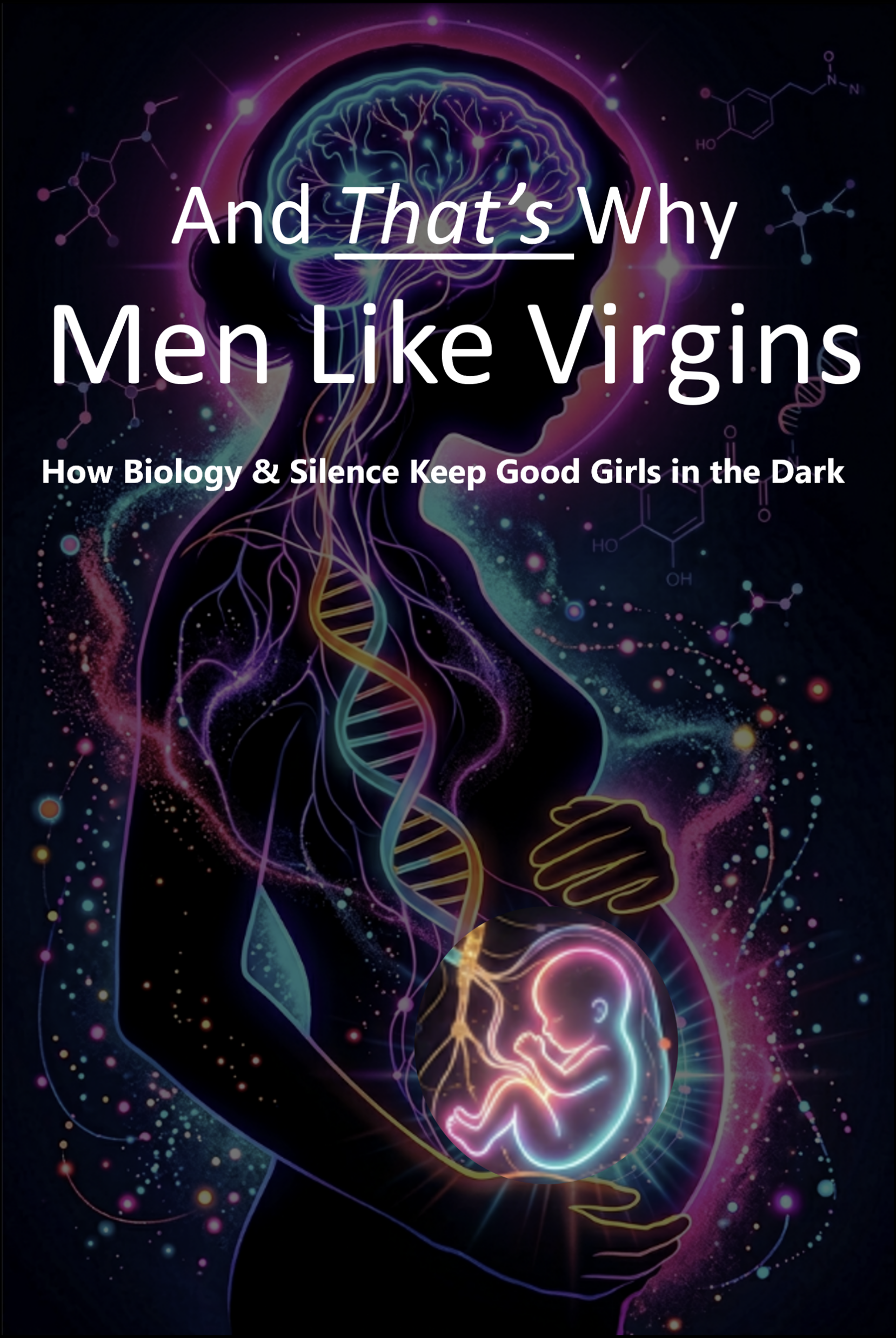
Turner, D. R. (2026). And that’s why men like virgins: How biology and silence keep good girls in the dark. VirtualVillageMom Publishing.
Vaillancourt-Morel, M. P., Rosen, N. O., Peloquin, K., & Bergeron, S. (2023). Maltreatment in childhood and perceived partner responsiveness in adult romantic relationships: A dyadic daily diary and longitudinal study. Child Maltreatment, 28(1), 163-175. https://doi.org/10.1177/10775595211057230
Wang, F., Gao, Y., Han, Z., Yu, Y., Long, Z., Jiang, X., Wu, Y., & Pei, B. (2023). A systematic review and meta-analysis of 90 cohort studies of social isolation, loneliness and mortality. Nature Human Behaviour, 7(8), 1307-1319. https://doi.org/10.1038/s41562-023-01617-6
Weaver, I. C. G., Cervoni, N., Champagne, F. A., D’Alessio, A. C., Sharma, S., Seckl, J. R., Dymov, S., Szyf, M., & Meaney, M. J. (2004). Epigenetic programming by maternal behavior. Nature Neuroscience, 7(8), 847-854. https://doi.org/10.1038/nn1276
Wesselmann, D., & Potter, A. E. (2009). Change in adult attachment status following treatment with EMDR: Three case studies. Journal of EMDR Practice and Research, 3(3), 178-191. https://doi.org/10.1891/1933-3196.3.3.178
Zilioli, S., Slatcher, R. B., Chi, P., Li, X., Zhao, J., & Zhao, G. (2017). The impact of daily and trait loneliness on diurnal cortisol and sleep among children affected by parental HIV/AIDS. Psychoneuroendocrinology, 75, 64-71. https://doi.org/10.1016/j.psyneuen.2016.10.012
About the Author
Donna R. Turner, Ed.S., MPH, CHES, HSMI, CDVA is the founder of the Center for Bio-Relational Health (CBRH) and the developer of the Bio-Relational Science educational framework. Her work integrates educational psychology, public health, neuroscience, reproductive biology, and relationship science to improve health literacy and relationship decision-making.
A Certified Health Education Specialist (CHES), Turner has spent more than two decades developing educational programs that translate complex scientific research into practical knowledge for the public. Her research interests include pair bonding, neuroendocrinology, reproductive health, human papillomavirus (HPV), stress physiology, and evidence-based relationship education.
She is the author of And That’s Why Men Like Virgins: How Biology & Silence Keep Good Girls in the Dark, the inventor of a patent-pending over-the-counter HPV sperm testing technology, and the creator of the Truth Talk relationship education series.
Learn more about the Center for Bio-Relational Health, explore additional Featured Articles, browse the Relationship Question Library for practical, evidence-informed answers grounded in Bio-Relational Science, or explore the app for free relationship lessons and unlock Ask Donna René for personalize guidance to your relationship questions.
Continue Exploring Bio-Relational Science
Want the broader relationship framework?
Explore attraction, attachment, intimacy, heartbreak, male romantic behavior, stress, trauma, and relationship decision-making in one practical book written for adult women.
Explore the Book