Center for Bio-Relational Health
Bio-Relational Science Research Library
A curated collection of evidence reviews, scholarly analyses, academic commentaries, and research-informed publications examining how biology, psychology, behavior, education, culture, and public health shape intimate relationships and long-term well-being.
The scientific foundation
Where Relationship Questions Meet the Life Sciences
Bio-Relational Science is an interdisciplinary educational framework for examining the biological, neurochemical, psychological, reproductive, developmental, and public-health dimensions of human relationships.
The Research Library provides a home for evidence-based works that explore the scientific foundations beneath the Center’s public-facing relationship education. These publications invite readers to move beyond surface-level advice and consider how attachment, intimacy, stress, reproductive biology, decision-making, and relational behavior interact within the body as well as the mind.
Looking for the science in everyday language?
Take the research beyond the library.
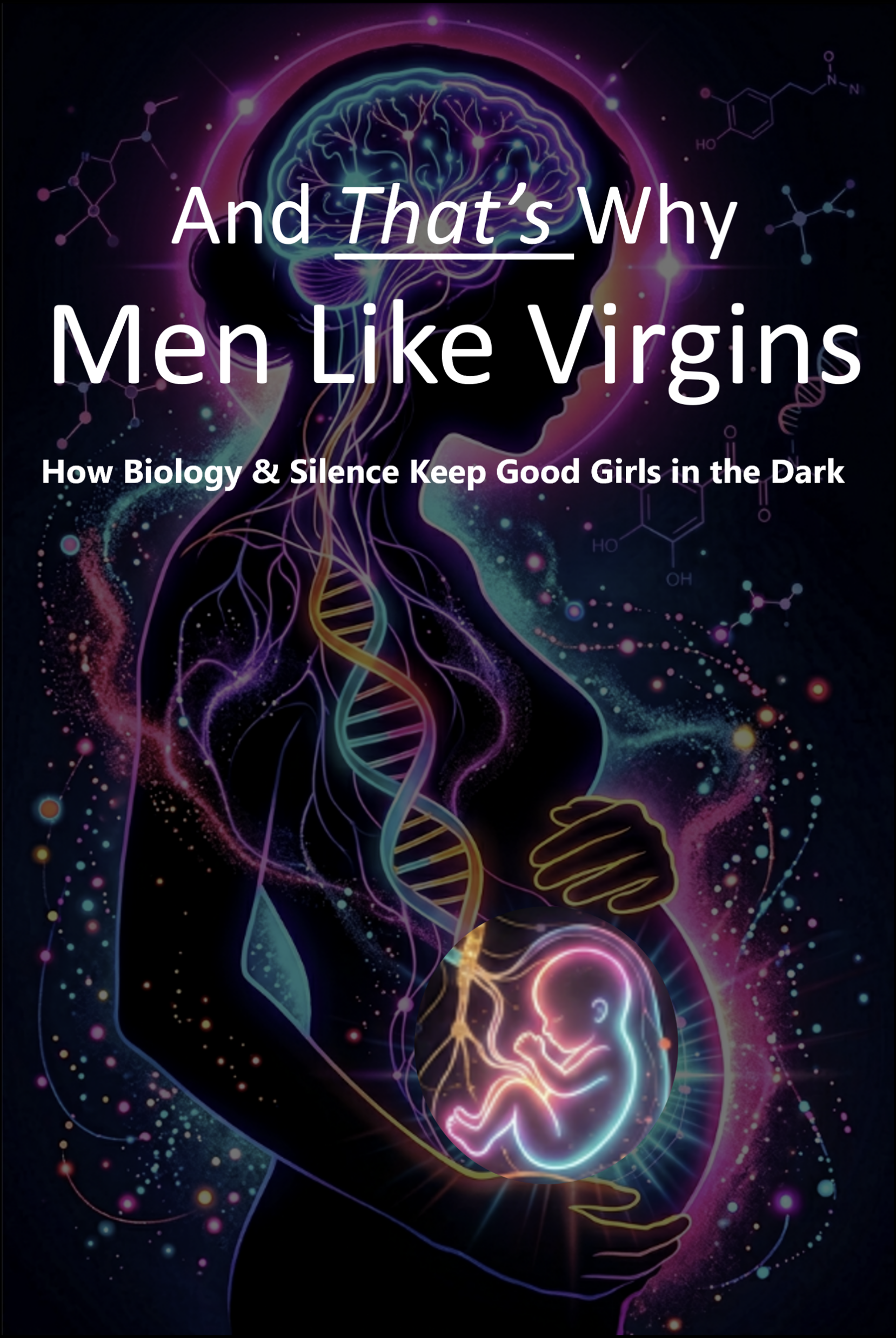
How Biology & Silence Keep Good Girls in the Dark
This public-facing book translates Bio-Relational Science into practical relationship education for adult women, bringing together biology, psychology, attachment, intimacy, stress, heartbreak, male romantic behavior, and relationship decision-making in accessible language.
Research with public meaning
Science That Illuminates Real Relationships
The library brings together evidence reviews, scholarly analyses, academic commentaries, and research-informed publications across the framework of Bio-Relational Science.
Why Relationship Education Has Failed
Traditional relationship education often teaches communication, boundaries, and conflict management without adequately explaining the biological systems that influence bonding, attachment, vulnerability, sexual decision-making, and recurring relational patterns.
Published research and commentary
Explore the Library
Browse the collection by subject area or search for a specific concept within Bio-Relational Science, relationship biology, attachment, women’s health, and public education.

The Full Research Collection
The complete collection of science backed answers to the relationship questions people actually ask, organized into nine subject areas, each answer built on published research and listing every source in full.
Open the Collection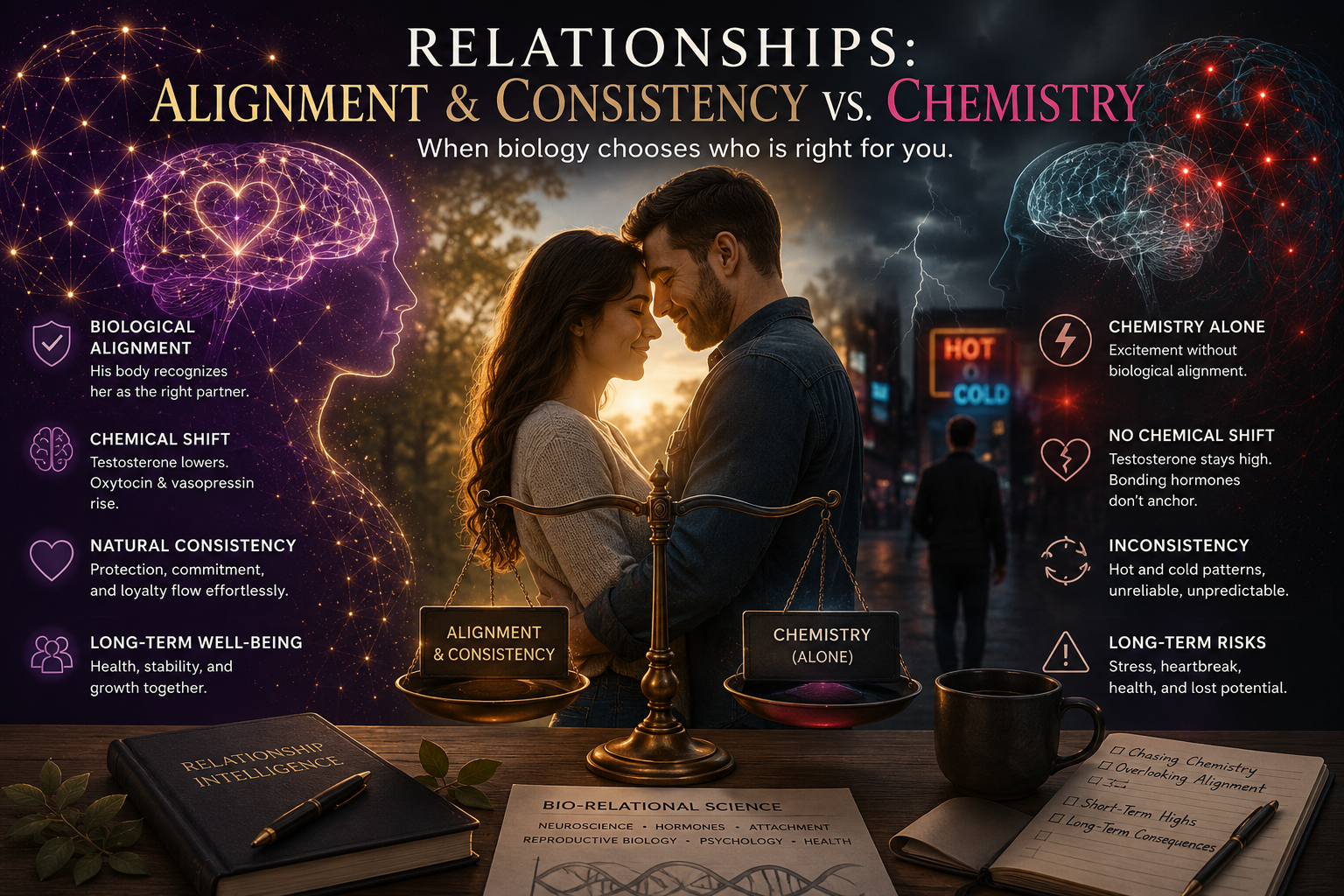
Relationships: Alignment & Consistency Vs. Chemistry
A research-informed exploration of how biological chemistry, alignment, and consistency work together in partner choice and long-term relationship outcomes. It also examines why excitement without biological alignment can produce instability rather than security.
Relationship Biology
Happily Married Husbands Cheat?
An evidence-informed examination of why marital happiness alone does not guarantee fidelity. The article considers pair bonding, attachment security, sexual satisfaction, personality, opportunity, and the depth of a husband’s exclusive relational investment.
Marital Fidelity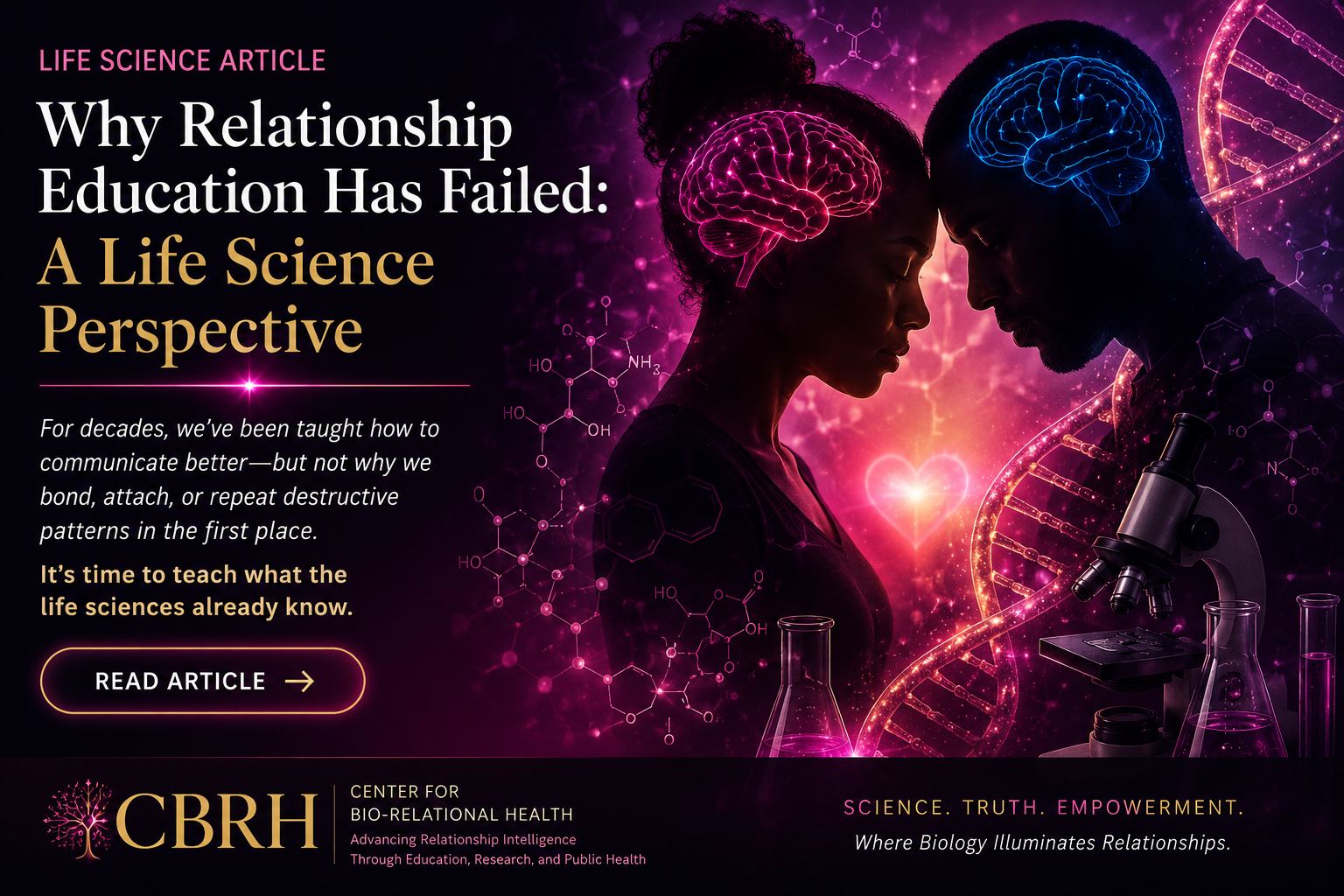
Why Relationship Education Has Failed
An interdisciplinary examination of why relationship education remains incomplete when communication strategies are separated from the biological systems that shape attachment, intimacy, stress, vulnerability, and behavior.
Relationship Education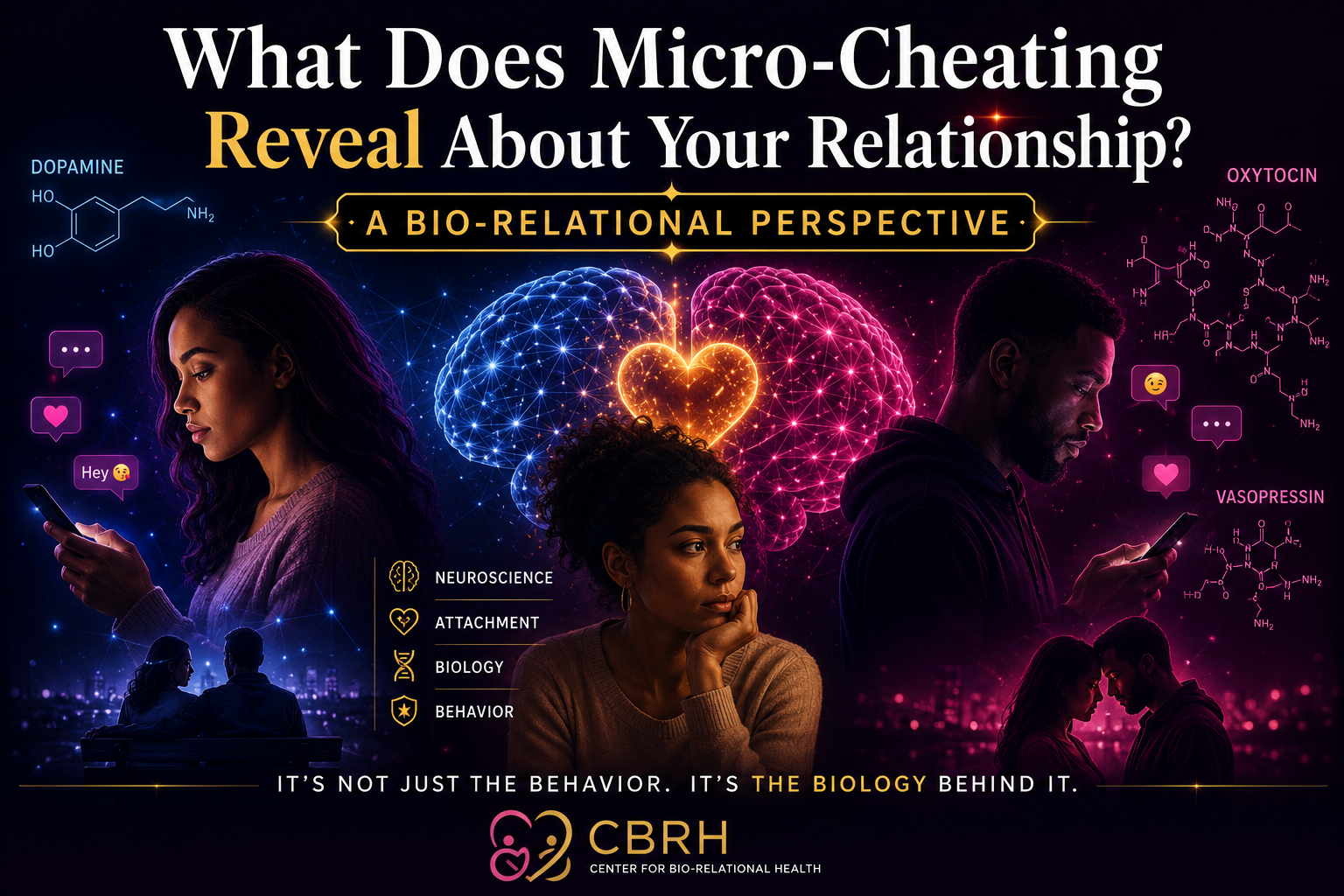
Micro-Cheating
A research-informed discussion of subtle boundary-testing behaviors, secrecy, emotional investment, and the ways seemingly minor actions can affect trust, attachment, and relationship security.
Trust and Boundaries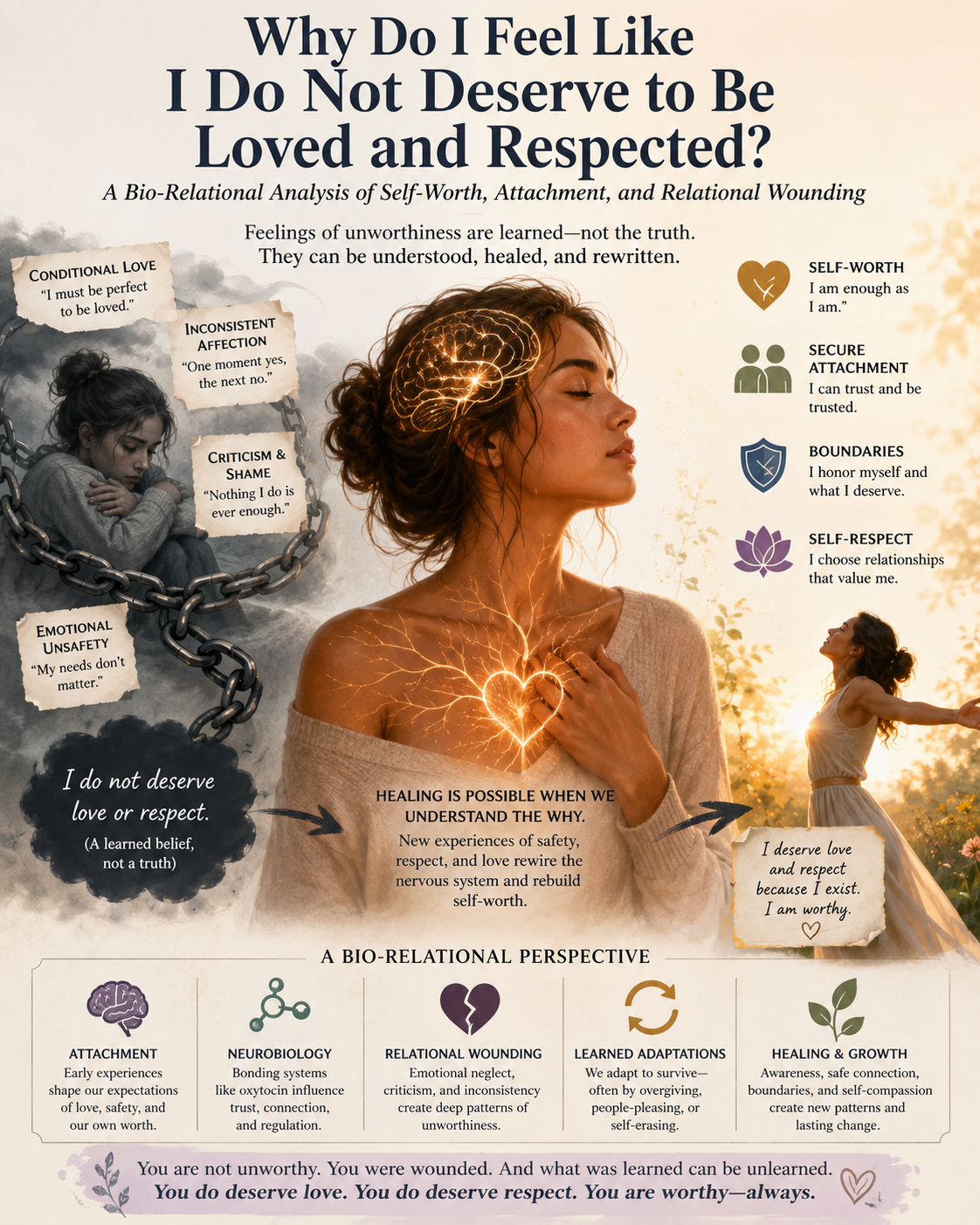
Why Do I Feel Like I Do Not Deserve to Be Loved and Respected?
A bio-relational analysis of how conditional attachment, relational injury, intermittent reinforcement, and emotionally unsafe environments can create learned feelings of unworthiness, and how self-worth can be rebuilt through safety, boundaries, consistency, and healing.
Self-Worth and Attachment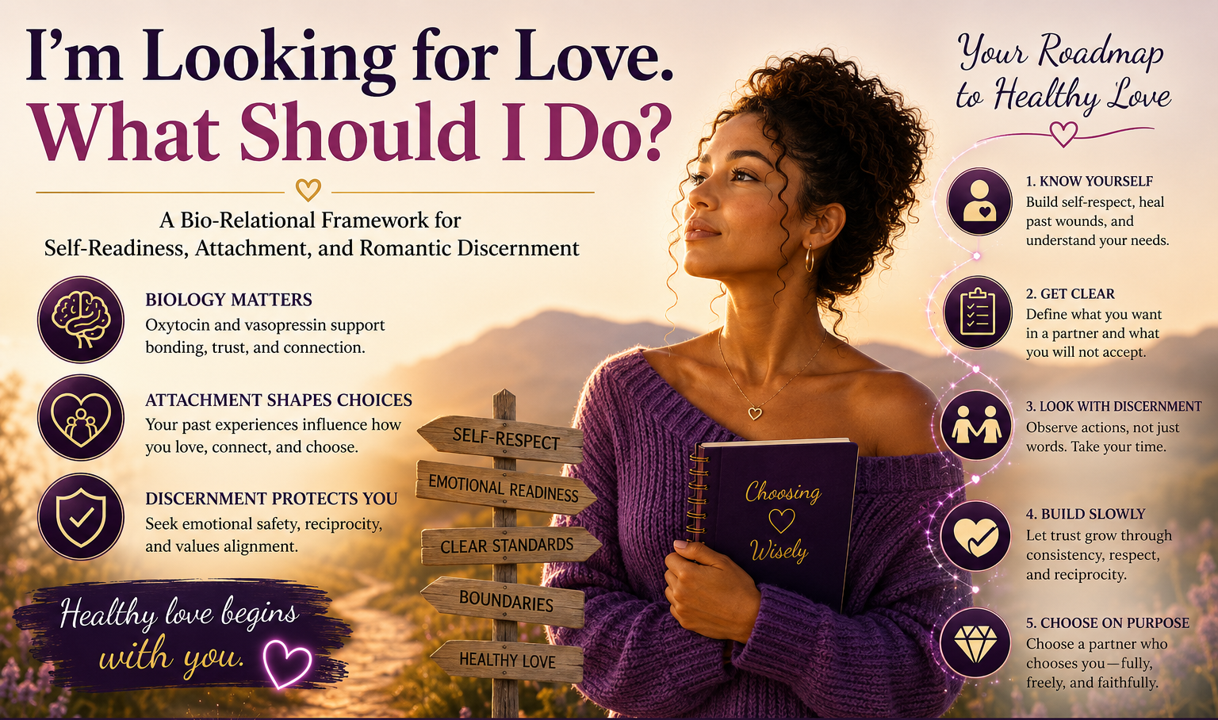
I’m Looking for Love. What Should I Do?
A bio-relational framework for preparing to recognize, receive, and sustain healthy romantic love through self-respect, attachment awareness, clear relational criteria, careful observation, reciprocity, consistency, and emotional safety.
Romantic Discernment
Dating Without Exclusivity: A Bio-Relational Analysis
A bio-relational analysis of how non-exclusive dating affects attachment, pair bonding, emotional investment, and relational boundaries, particularly when one partner seeks commitment while the other preserves relational optionality.
Dating and Exclusivity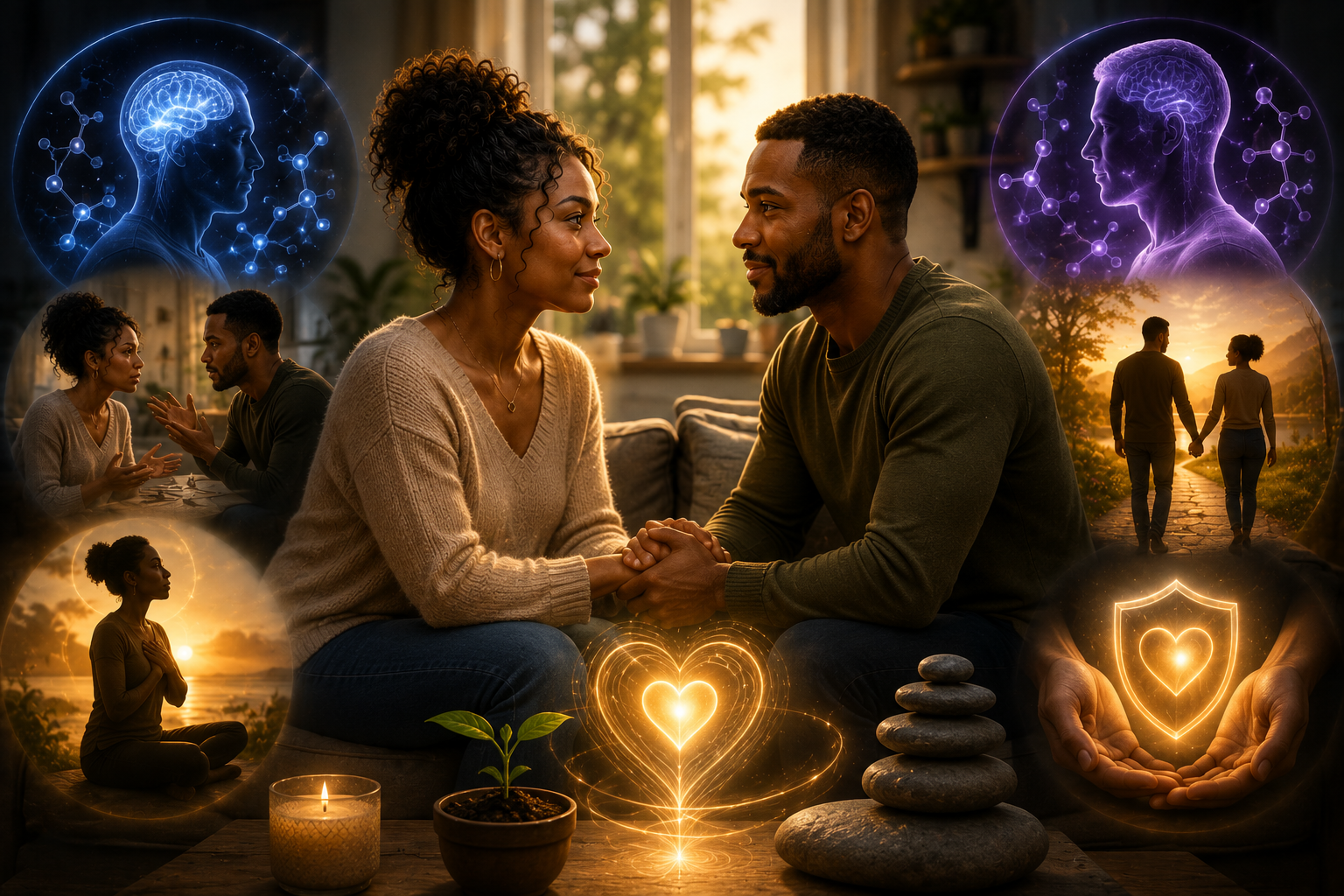
How Do I Become a Better Partner and Improve My Relationship?
A bio-relational framework examining how genuine bonding, attachment, reciprocity, stress regulation, and relational fit determine whether communication and behavioral change can meaningfully strengthen a relationship.
Relationship Growth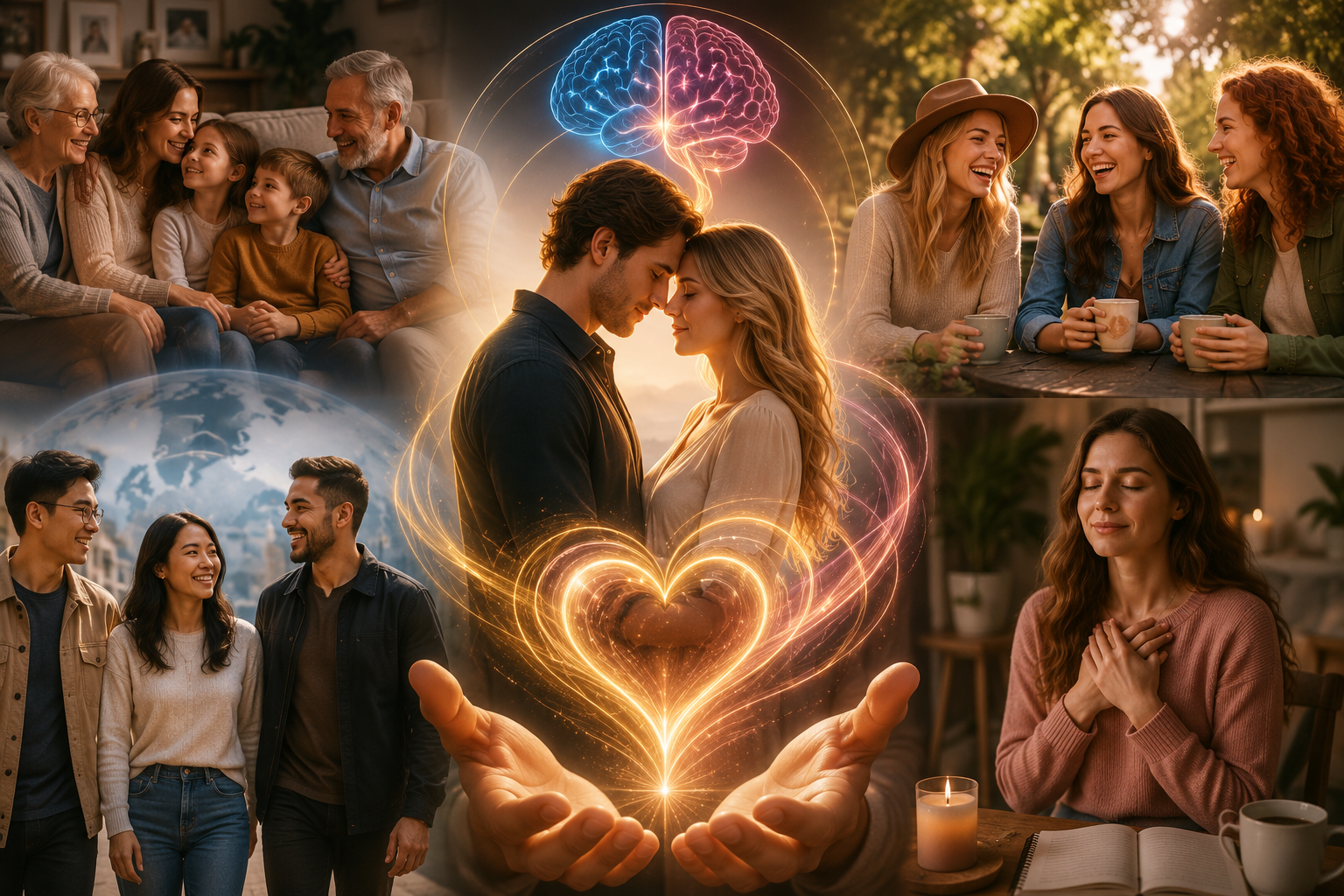
Types of Love: A Bio-Relational Framework
A scholarly framework distinguishing familial, platonic, universal, and romantic love through attachment science, neuroscience, and relational biology.
Types of Love
Trauma Bonding: A Bio-Relational Analysis
A bio-relational analysis explaining how intermittent reinforcement, attachment learning, and neurobiological conditioning can make instability feel like love.
Trauma Bonding
Can a Guy Change? A Bio-Relational Analysis
A bio-relational examination of whether behavioral change reflects secure attachment, accountability, and relational safety, or remains only a repeated promise.
Behavioral ConsistencyHow the work is developed
Research Standards and Approach
Bio-Relational Science does not treat relationships as purely emotional or social experiences. Its work draws from multiple scientific fields while distinguishing established evidence, developing interpretations, and questions that still require further research.
Interdisciplinary Evidence
Articles may integrate research from neuroscience, neuroendocrinology, psychology, reproductive biology, public health, education, and related disciplines.
Scholarly Translation
Technical findings are translated into language that educated readers, journalists, teachers, health professionals, and the public can understand without stripping away their scientific meaning.
Responsible Interpretation
The library aims to distinguish established findings from developing interpretations and avoids presenting emerging associations as settled causation.
From scholarship to public education
Research Should Be Understandable Outside Academia
Many public-facing articles, media responses, and educational resources published through the Center for Bio-Relational Health are adapted from longer evidence-based works. The academic foundation remains available here so that journalists and readers can examine the research beneath the public discussion.
Continue Exploring Bio-Relational Science
Visit the Center for accessible answers to questions about love, attachment, intimacy, dating, marriage, heartbreak, decision-making, and human connection.
Browse by Subject Area
What the Research Actually Says
Beyond the featured articles above, the collection holds Bio-Relational Science papers organized into nine subject areas, each one built on peer reviewed research. Each paper carries its own abstract, conceptual framework, discussion, and full reference list. Choose a subject area to open it.
Attachment, Bonding, and Relational Stress
Why a responsive partner is not always enough, how quickly attachment forms, and what accumulated relational stress does to the capacity to bond at all.
- Why Would a Woman Leave a Man Who Loves Her and Treats Her Well?
- How Do Attachment Styles Influence How Quickly We Develop Strong Feelings?
Intimacy and Sexual Bonding
What happens in the body during and after sex, why men and women bond on different timelines, and what a woman can and cannot read from his behavior afterward.
- How Do Men Think After Sex, and Do They Become Attached?
- Are Women More Likely to Become Attached Through Sex?
Heartbreak, Grief, and Recovery
The physiology of loss, why some people decide they are finished with love, and how to tell whether you miss a person or the feeling he gave you.
- Why Do People Decide They Are Done With Love After a Bad Breakup?
- What Does It Mean to Transcend Attachment After a Breakup, and How Do You Do It?
Marriage, Commitment, and Long Term Bonds
Infidelity inside happy marriages, what contracts and shared money do to how people value a bond, and how affection can fade while commitment remains.
- Do Happily Married Men Ever Cheat?
- Do Prenuptial Agreements and Shared Finances Change How People View Love and Marriage?
What Love Is and How It Begins
Attraction at first sight, love for someone never met in person, and why even the most immediate connection still requires deliberate work.
- Is It Possible to Be Attracted to Someone at First Sight?
- Is It Possible to Fall in Love With Someone You Have Never Met?
Bonding Psychology and Conditioning
How behavior is shaped by reinforcement rather than intention, the psychology people find hardest to hear, and why lived experience changes what we perceive in others.
- What Are Some of the Most Mind-Blowing Psychological Facts?
- What Is Some Brutally Honest Advice That Everyone Should Know?
Midlife, Timing, and Self-Regard
Compressed reproductive timelines, heartbreak carried with less physiological reserve, and how bonding capacity changes while the definition of love does not.
- Compressed Timelines: Reproductive Aging and Bonding Asymmetry
- Heartbreak in the Fifties: Compound Loss and Reduced Reserve
Belief, Meaning, and the Nature of Love
Whether true love exists, what people still believe about it, and which sources actually help build a sound view of love.
- Does True Love Exist?
- Do People Still Believe in Love?
Conduct, Rupture, and Connection
Promises that end, why love is genuinely difficult, and the observable actions that separate stated feeling from demonstrated investment.
- He Promised Forever, Then He Left
- Why Is Love So Difficult?
Nine subject areas, every claim tied to a cited primary source. Open the full collection.